
Cleveland Garage Door Guide
What Actually Pulls a Track Loose Around Cleveland
A look at why Cleveland garages built between 1938 and 2004 lose track alignment, how winter cold-moderate cycles factor in, and what to watch before a call is worth it.
- Licensed & Insured
- Same-Area Service Calls
- Upfront Pricing
Where People Go Wrong
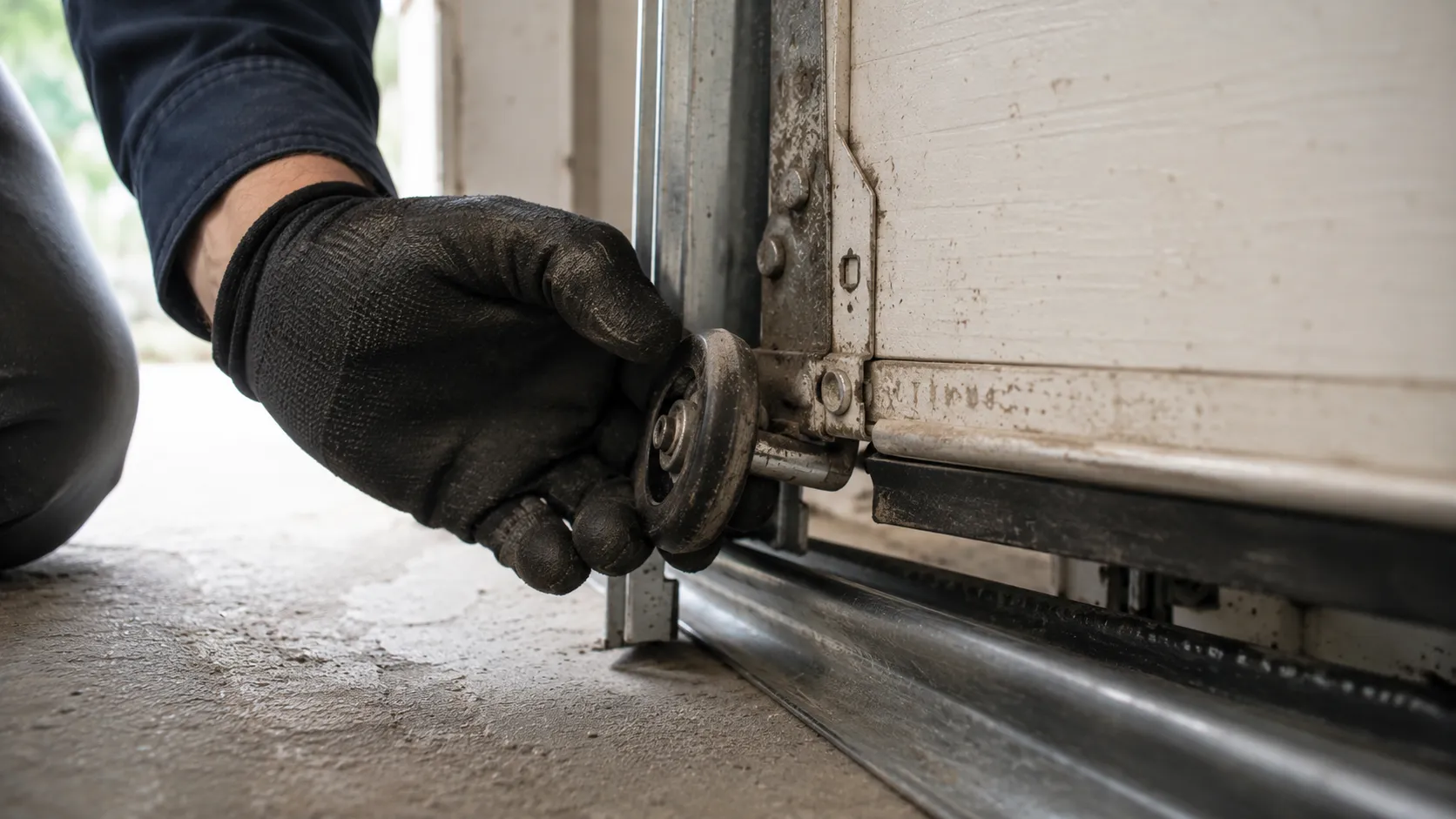
Most homeowners assume a door off track means a bent rail, so they grab a rubber mallet and start tapping. That's rarely the actual problem. Cleveland's housing stock runs from 1938 up through 2004, with the median build year sitting around 1965 - which means a lot of the garages doing the sticking today are pushing sixty years old, with brackets and jambs that have settled and shifted long before the track itself ever bent.
The track is usually just following wood that moved. Tapping it back into a shape that matches a doorframe which is no longer square doesn't fix anything; it just moves the binding point somewhere else on the rail. The other mistake is ignoring a door that's noisy but still closing.
On original hardware from that era, noise before misalignment is common - rollers dried out, brackets loosened a quarter turn at a time - and by the time the door visibly leans off the rail, you're usually looking at a bracket that's pulled part way out of framing that's been flexing for decades. Catching it at the noisy stage costs a lot less than catching it after the door's hanging crooked.
The Situation
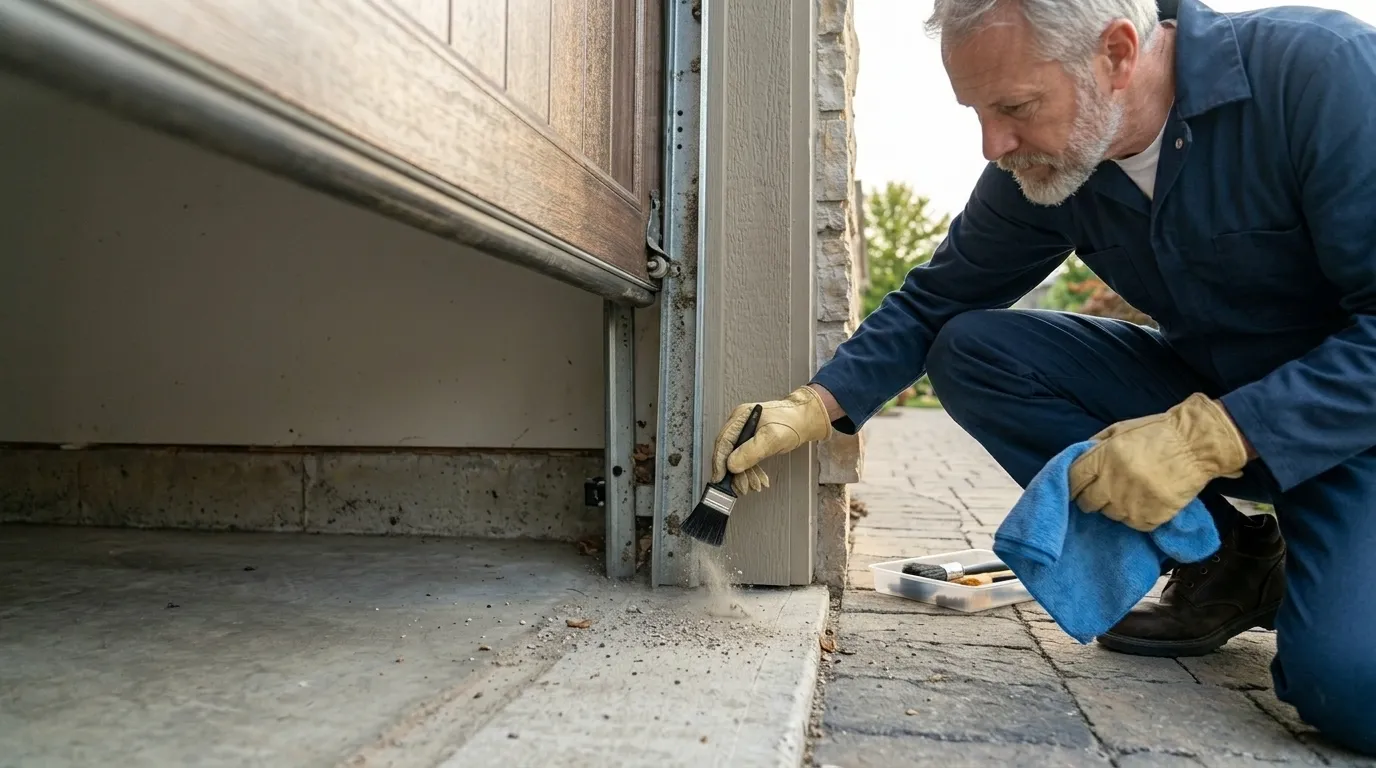
Across the 66 named areas that make up this service area, the dominant housing wave is 1960s and '70s construction - garages built to the codes and hardware standards of that period, not today's. That's true whether you're three miles out in Cuyahoga Heights, four miles in Brooklyn Heights, or working through the older near-city neighborhoods like Old Brooklyn and Broadway-Slavic Village, both about three miles from downtown. A door built or replaced during that stretch is commonly still running on the original track brackets, lag-bolted into jamb studs that have dried, shrunk, and pulled slightly loose from decades of seasonal swelling.
That's a structural issue disguised as a hardware issue. Straightening the track without addressing the bracket anchoring just buys you a few months before it walks again. With 202,321 owner-occupied houses in this area, a large share of them fall in that same construction band, so this isn't a one-off - it's the most common reason we get called for a door that used to run fine and now doesn't.
The fix depends on whether the framing itself is still sound, which is something we check before touching the rail.

Doing Nothing For Now
If the door is still closing flush and the noise is mild, you don't need to act tonight. But a garage in this age range doesn't stabilize on its own - the same seasonal wood movement that got you here keeps happening every year. Leaving a slightly loose bracket through a Cleveland winter tends to make the gap worse, not better, because the freeze-thaw cycle that moves foundations and framing here doesn't pause.
Our honest limit here: if a track is already bent past a certain point, or the bracket has torn out enough wood that there's nothing solid left to re-anchor to, straightening isn't worth doing - replacing that section of jamb or the whole assembly ends up cheaper than repeated call-backs. We won't try to save a bracket that's pulled clean out of rotted framing just to avoid a bigger job. Waiting a season to watch how it behaves is reasonable.
Waiting multiple seasons on a door that's already leaning is how a $150 bracket fix turns into a full track and panel replacement.
What the Weather Here Does to It
Cleveland sits in a cold-moderate climate band, and that band is doing more to your track than most people give it credit for. Steel track contracts in cold and expands again once the garage warms, and on an older door - again, most of this area's stock dates to the 1960s and '70s - that steel is often paired with wood framing that's already dried out and lost some of its grip on fasteners. Every freeze-thaw swing works the lag screws a fraction looser.
It's slow, it's not dramatic, and it's exactly why a door that ran fine in September starts binding by February. Homes built earlier in that 1938-1965 stretch of the local housing timeline see this more, since the framing has had more decades of cycling. There's no way to stop the seasonal swing itself - that's just the climate here - but a bracket re-set before winter, rather than after the door's already dragging on one side, holds up a lot better through the cold months.
How We Can Help
Garage Door Repair
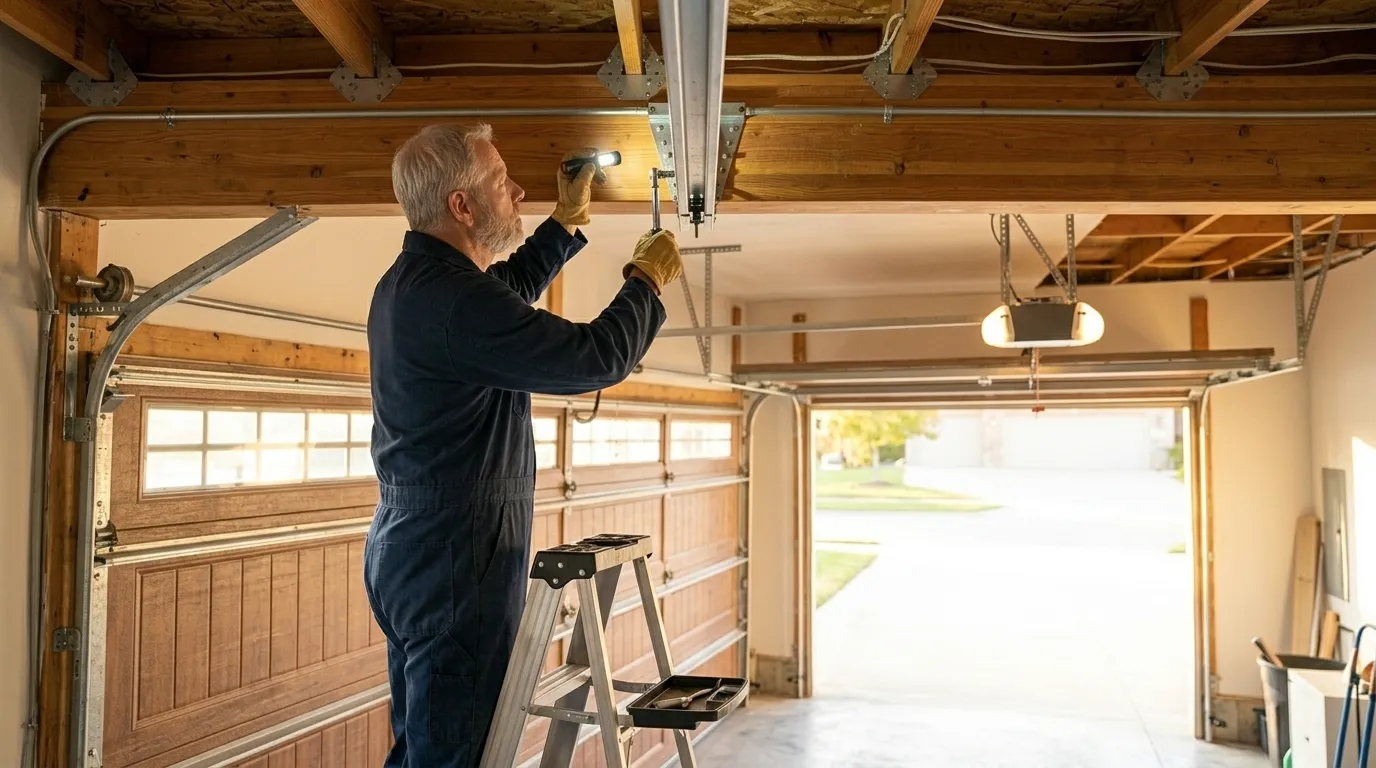
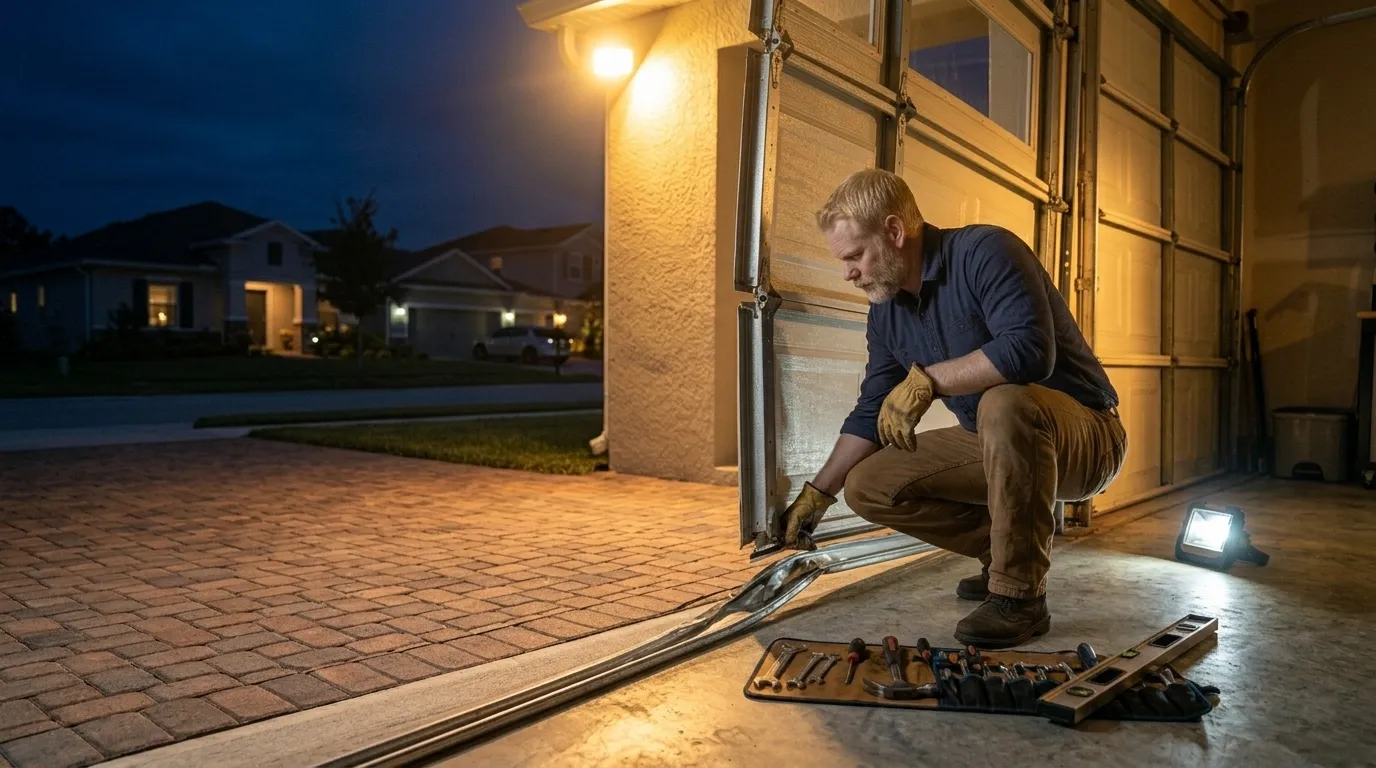
Springs, cables, tracks, rollers, and openers fixed by a tech who explains the problem before touching anything.
Learn more →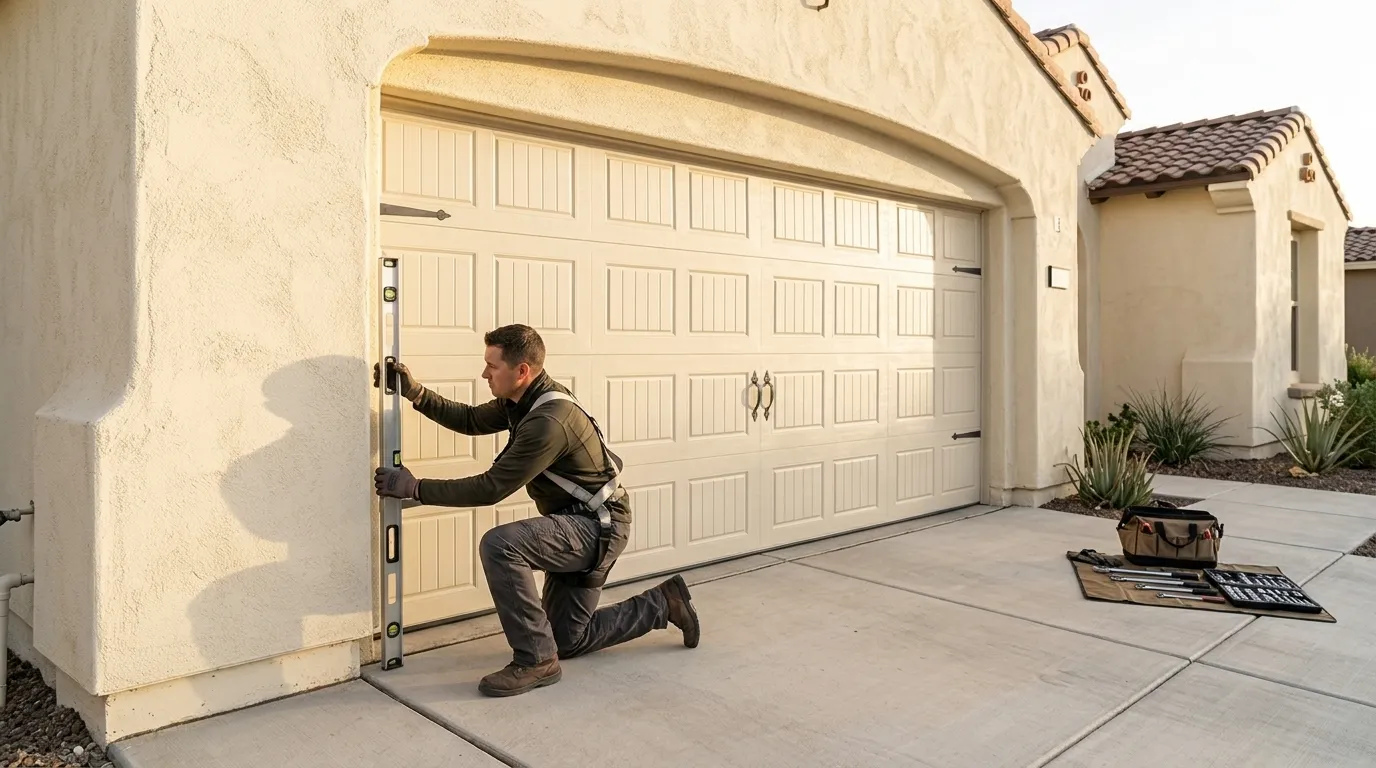
Garage Door Installation
New sectional doors sized and installed for the housing stock actually built in this area.
Learn more →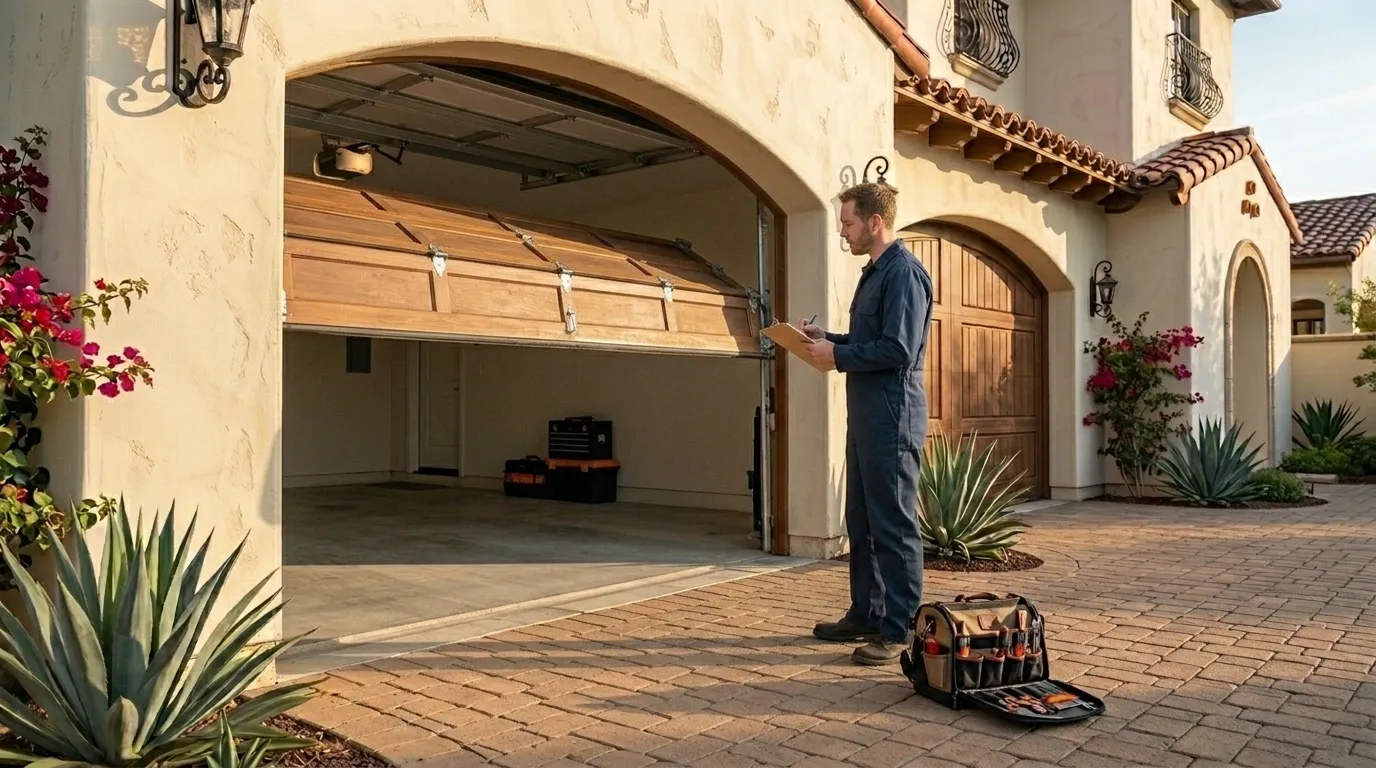
Garage Door Service
Tune-ups, lubrication, and safety checks that catch a small problem before it becomes a service call.
Learn more →Frequently Asked Questions
Is a garage door off track something I can push back into place myself?
Sometimes, if it's only slightly out and the rollers are still seated. But on older Cleveland-area homes the real cause is usually a loosened bracket in aging jamb framing, not just the rail - forcing the track back without fixing that just lets it slip again within weeks.
Why does my door only act up in winter?
Cold-moderate freeze-thaw cycles work bolts and brackets loose in framing that's already dried out over the decades, which describes most of the housing stock in this service area. The track itself isn't changing shape - the wood it's anchored to is moving underneath it.
How do I know if it's worth repairing versus replacing the track?
If the bracket has torn out enough wood that there's no solid anchor point left, straightening the existing track is usually a short-term fix. On a door that old, replacing that section outright tends to hold up longer and costs less over time than repeated repairs.
Have a Door That Needs a Second Opinion?
Call and describe what it is doing - we will tell you what it likely is.