
Cleveland Garage Door Guide
Why So Many Cleveland Garage Doors Fail Before Their Time
Most Cleveland houses date to 1965, built before modern insulation codes. We fix and replace garage doors that don't hold up to Cleveland's cold winters.
- Licensed & Insured
- Same-Area Service Calls
- Upfront Pricing
Where People Go Wrong
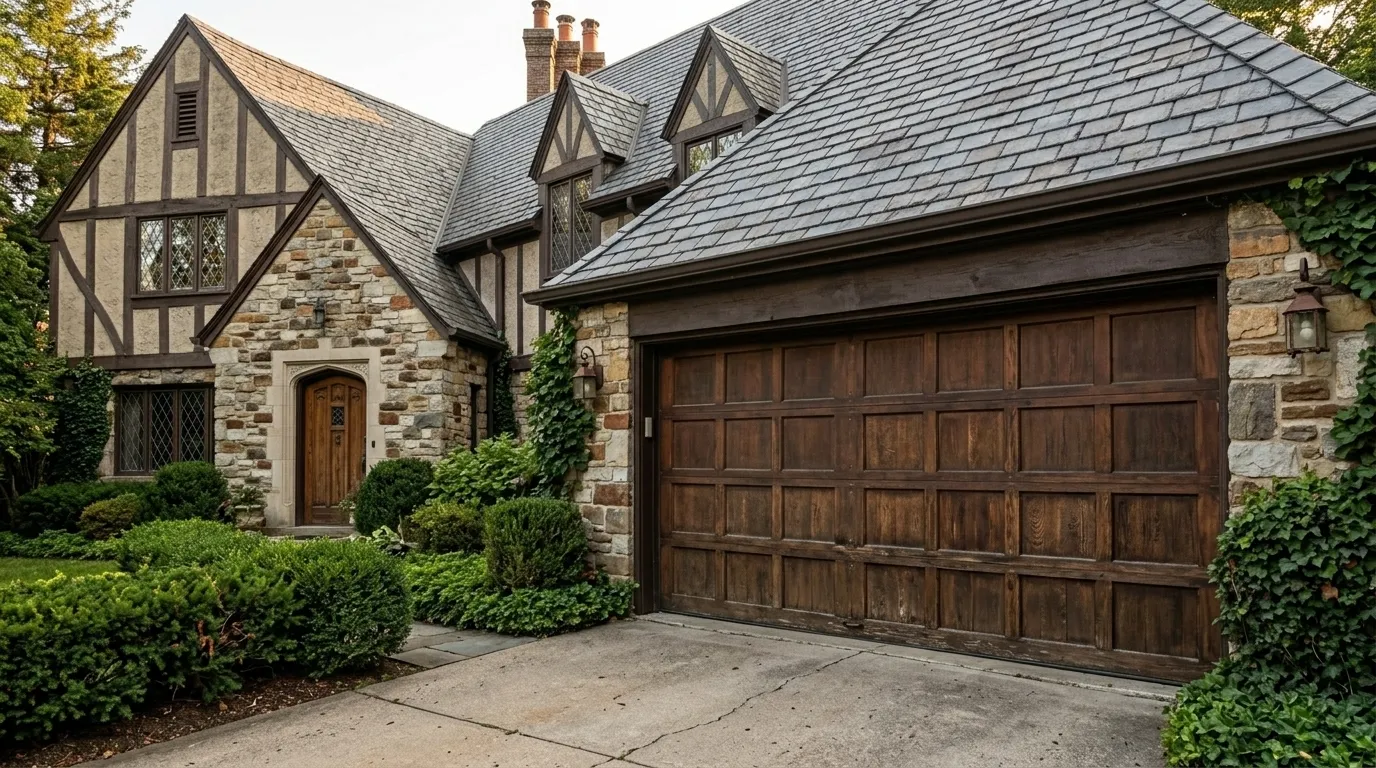
The mistake we see most in this area is treating a stuck or noisy door like a lubrication problem when it's actually an age problem. Housing across this service area was built between 1938 and 2004, with the median landing around 1965 - meaning a huge share of the doors we're called out to, from Old Brooklyn down to Brooklyn Centre and up through Detroit-Shoreway, were installed on garages that predate any real insulation standard. Homeowners spray the track, tighten a bracket, and call it fixed.
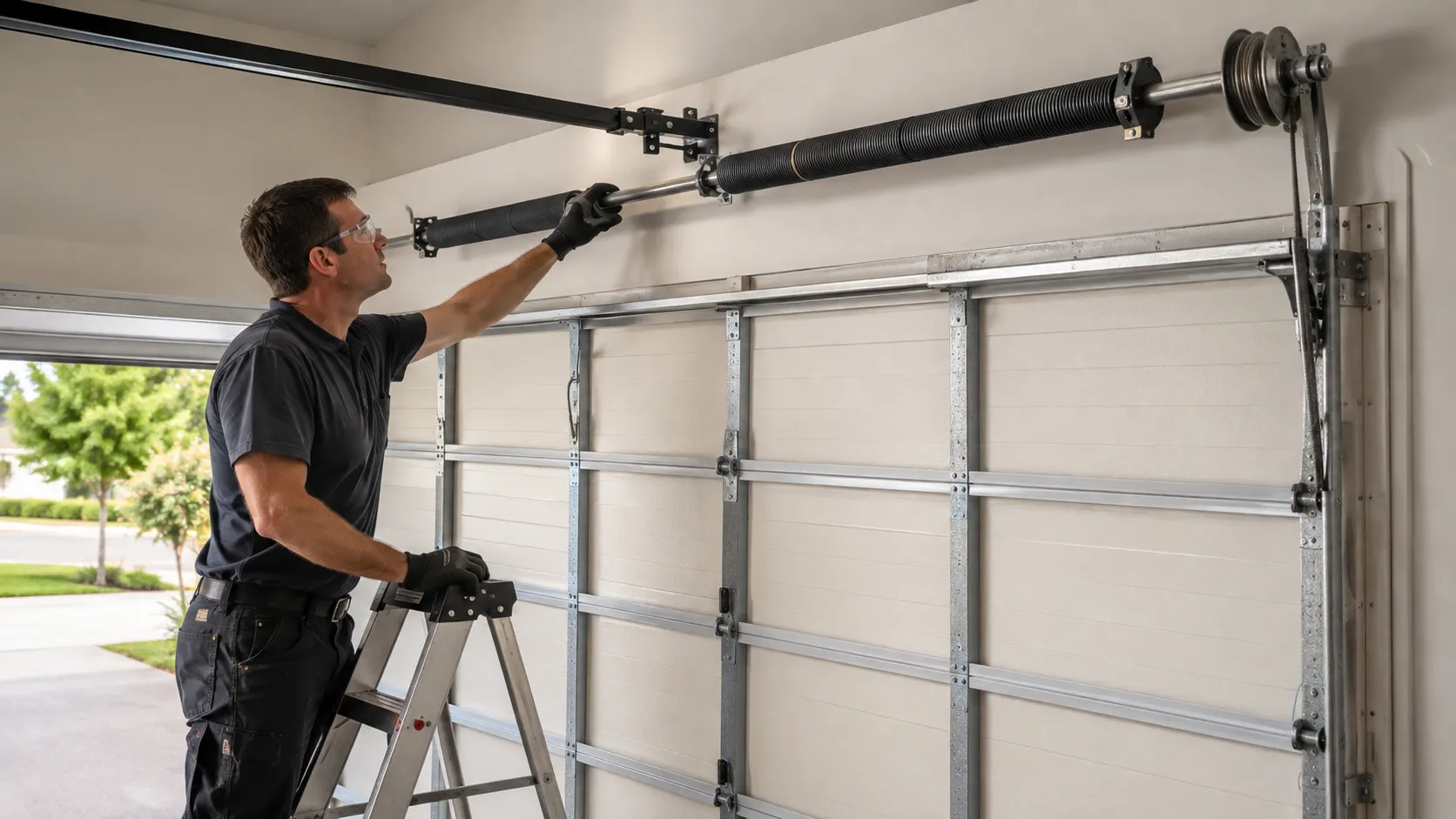
Six months later the spring lets go because the real issue was never the noise - it was a torsion spring rated for a lighter, uninsulated panel now working double time, or hardware that's simply outlived its steel. Another common error: assuming a new opener solves an old-door problem. An opener bolted to a warped, single-layer panel from the 1960s just breaks the panel faster.
If the door itself dates to the house, the fix usually needs to start at the door, not the motor.
The Situation
Across the 66 named communities in this service area - Downtown, Old Brooklyn, Cuyahoga Heights, Shaker Heights, and dozens more - the stock is overwhelmingly 1960s and '70s construction. That's not incidental to garage doors; it's the whole story. Doors from that era were built to the standards of their time, which did not include insulation requirements, and most were never retrofitted.
With roughly 202,321 owner-occupied houses in this area, a large number of them are still running the same door, or a close replacement of it, that went up when the house was framed. Median household income here sits at $93,931, which tells us most owners can afford to replace a door properly rather than patch it - but plenty don't know their door is original until it fails. The pattern we see: a house sells, the new owner assumes a working door means a sound door, and finds out otherwise the first hard winter.
Doing Nothing For Now
Waiting isn't always the wrong call - if a door works, closes flush, and the opener isn't straining, there's no reason to replace it early just because it's old. That's the honest limitation here: we don't push replacement on a door that's still doing its job, and we won't tell you a 1965-era door is dangerous just because of its age. What we will say is that a door built before insulation rules existed has no thermal break in the panel itself, so if you're noticing a cold garage or higher heating bills, the door is a real suspect, not a guess.
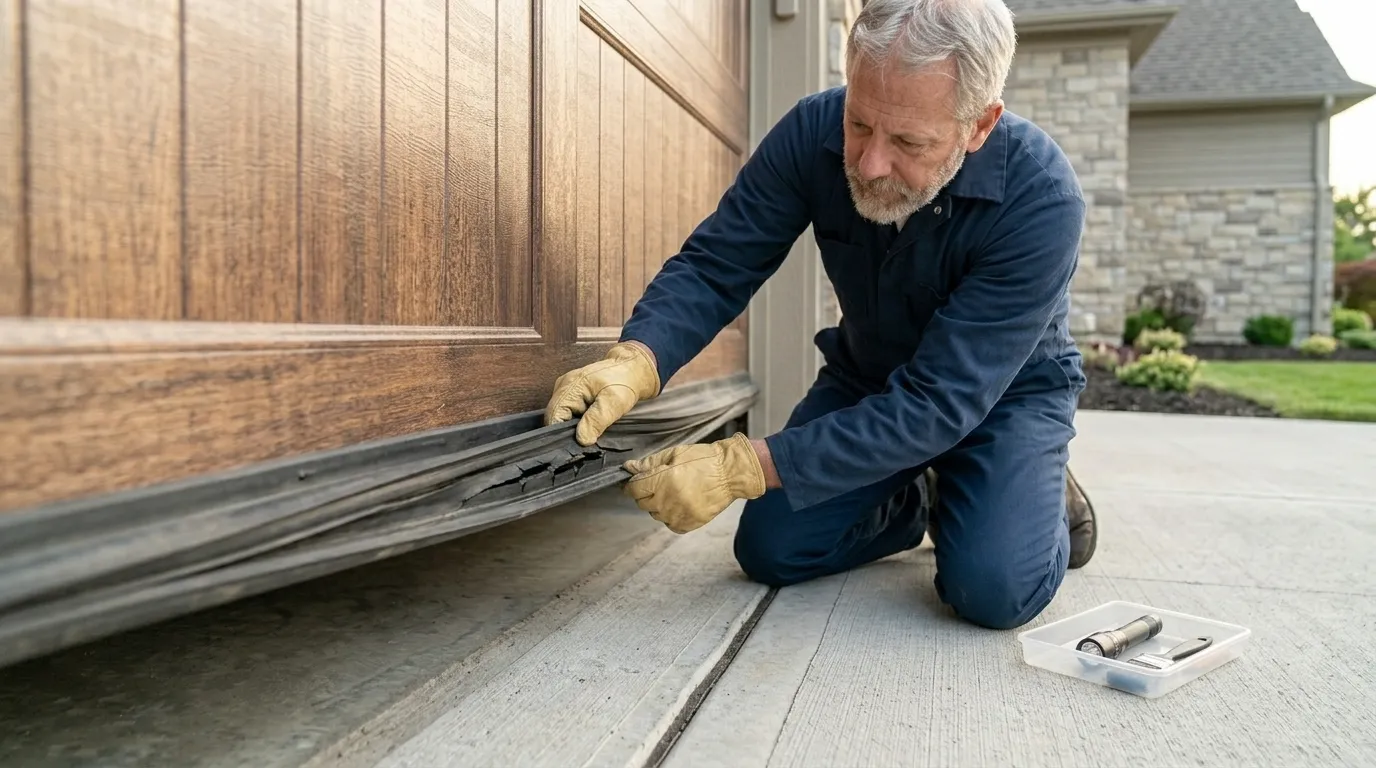
If a panel is already denting, the seal at the bottom is gone, or the spring has been replaced more than once, doing nothing stops being free - each of those problems compounds. We'll tell you straight when a repair buys you a few more years and when it's just delaying a job that's already decided itself.
What the Weather Here Does to It
Cleveland sits in a cold, moderate climate band, and that matters more for a garage door than most people think. It's not one hard freeze that does the damage - it's the repeated freeze-thaw cycle working on steel, weatherstripping, and old panel seams all winter long. An insulated door built to modern standards shrugs most of that off.
A door from a house built in the 1960s or '70s, with a single steel skin and no foam core, doesn't. Cold makes steel brittle and lubricant thick, which is why torsion springs on older doors tend to let go in January, not July. Rollers that are original to a 1960s track lose their nylon coating in the cold and start binding, which strains the opener.
None of this means every old door needs replacing before winter - but it does mean the doors in this area take more of a beating each season than a newer, insulated door would, and that shows up as an earlier failure date, not a slow decline.
How We Can Help
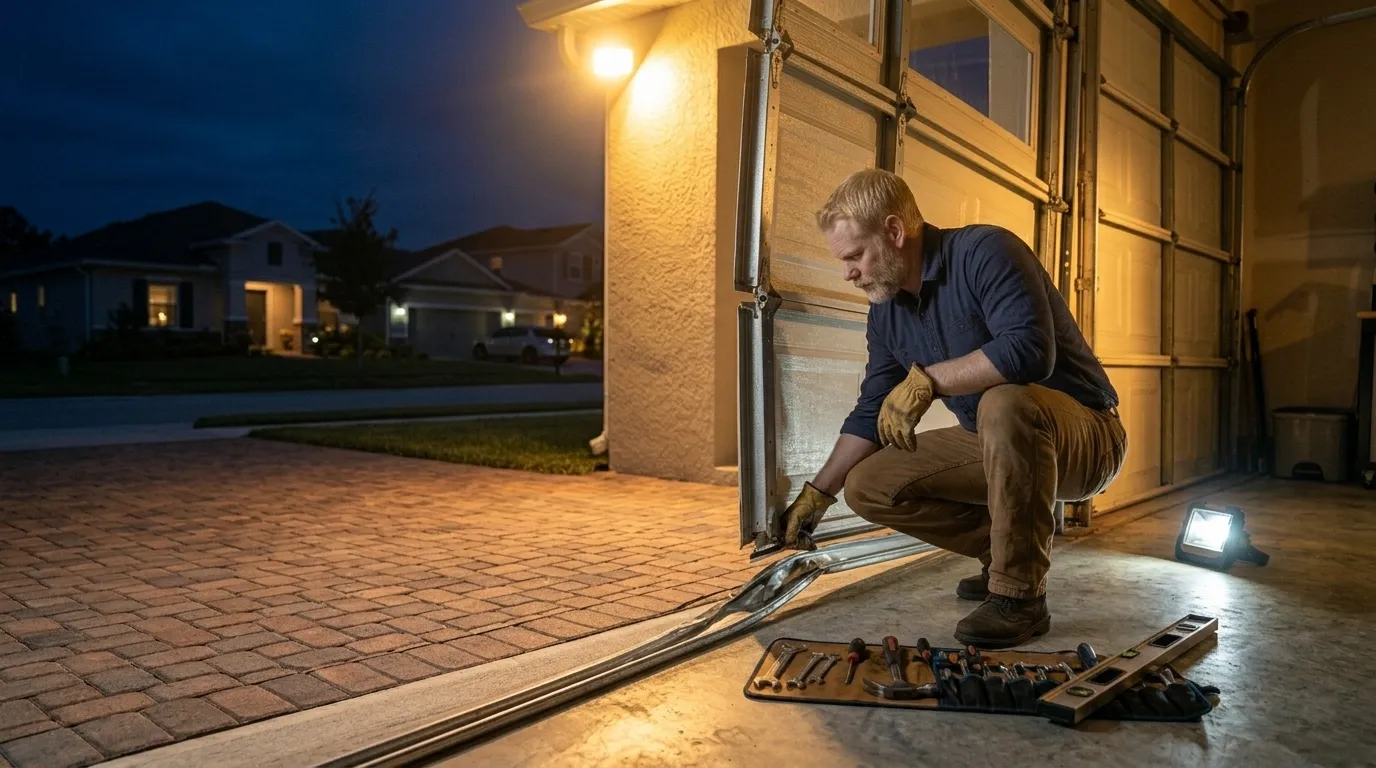
Garage Door Repair
Springs, cables, tracks, rollers, and openers fixed by a tech who explains the problem before touching anything.
Learn more →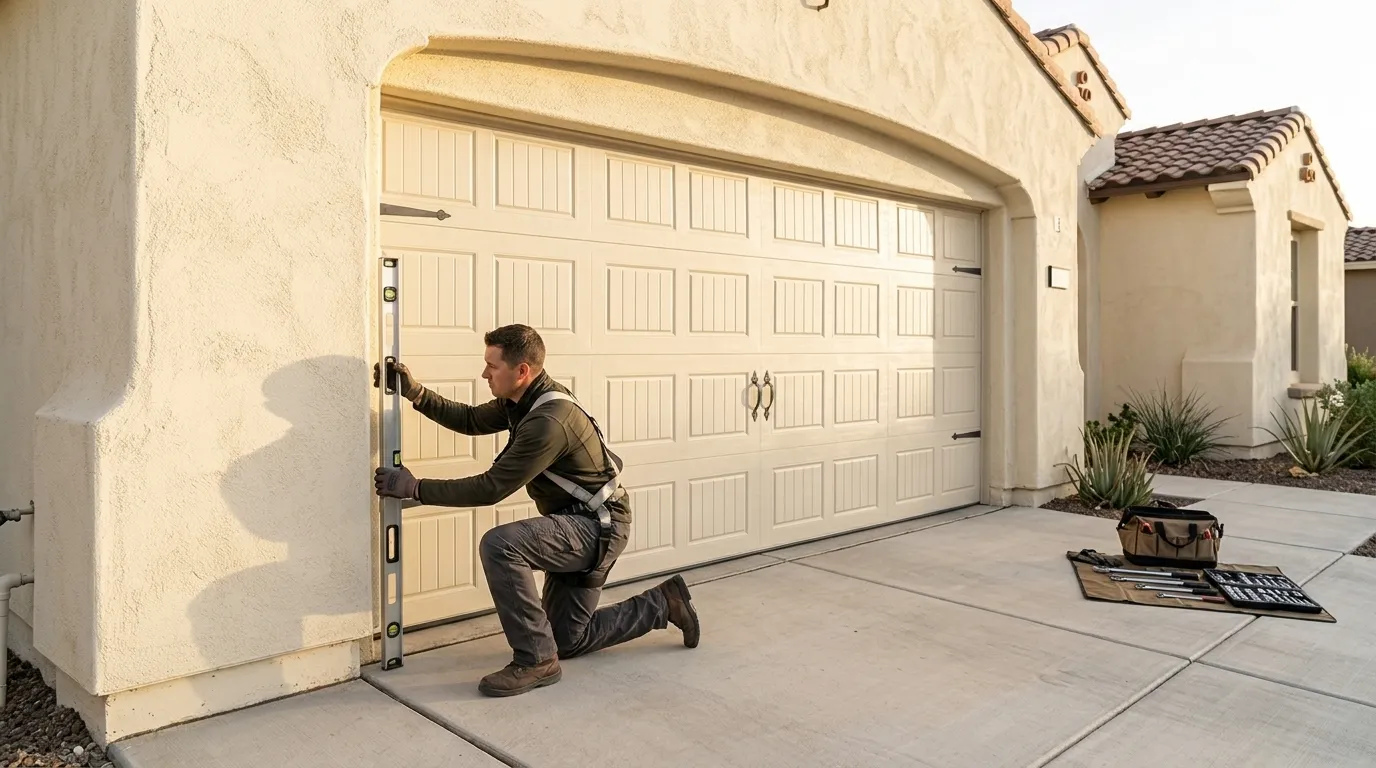
Garage Door Installation
New sectional doors sized and installed for the housing stock actually built in this area.
Learn more →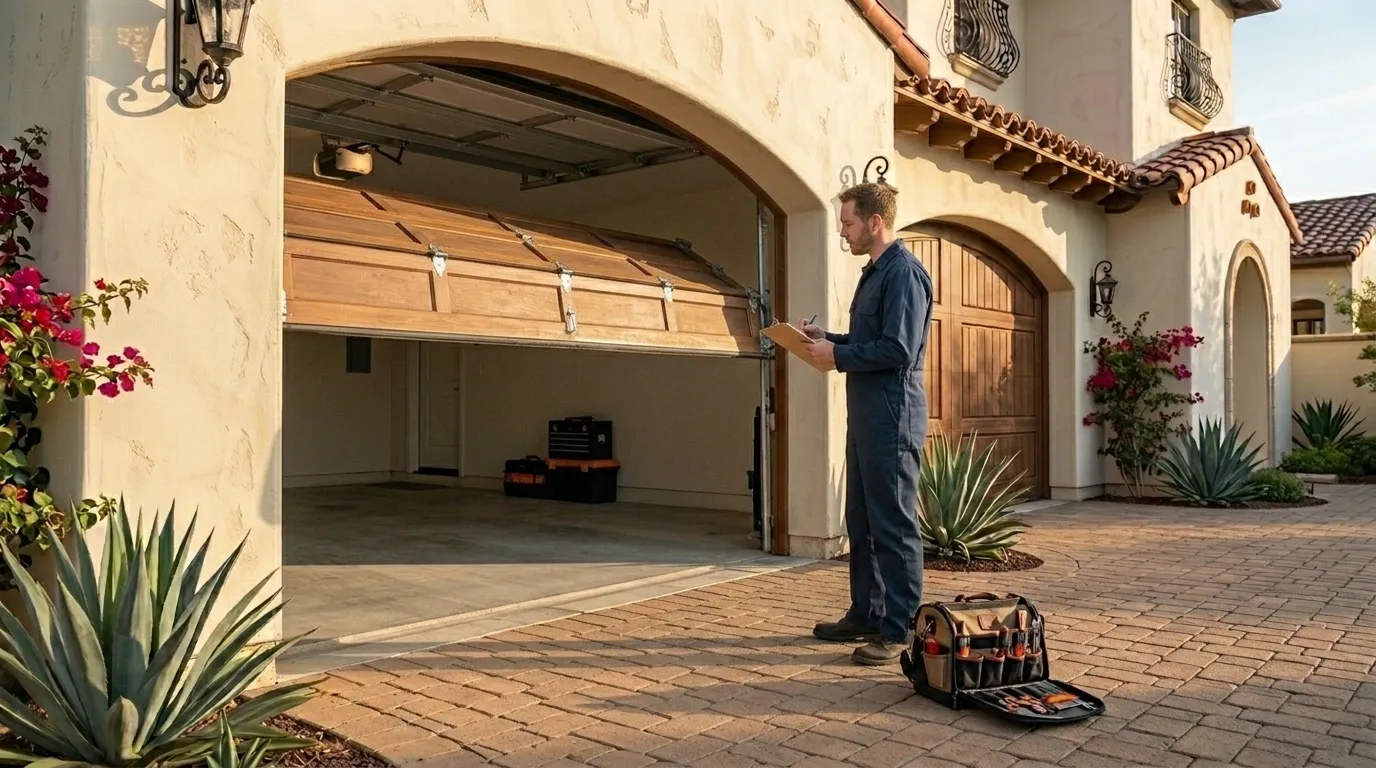
Garage Door Service
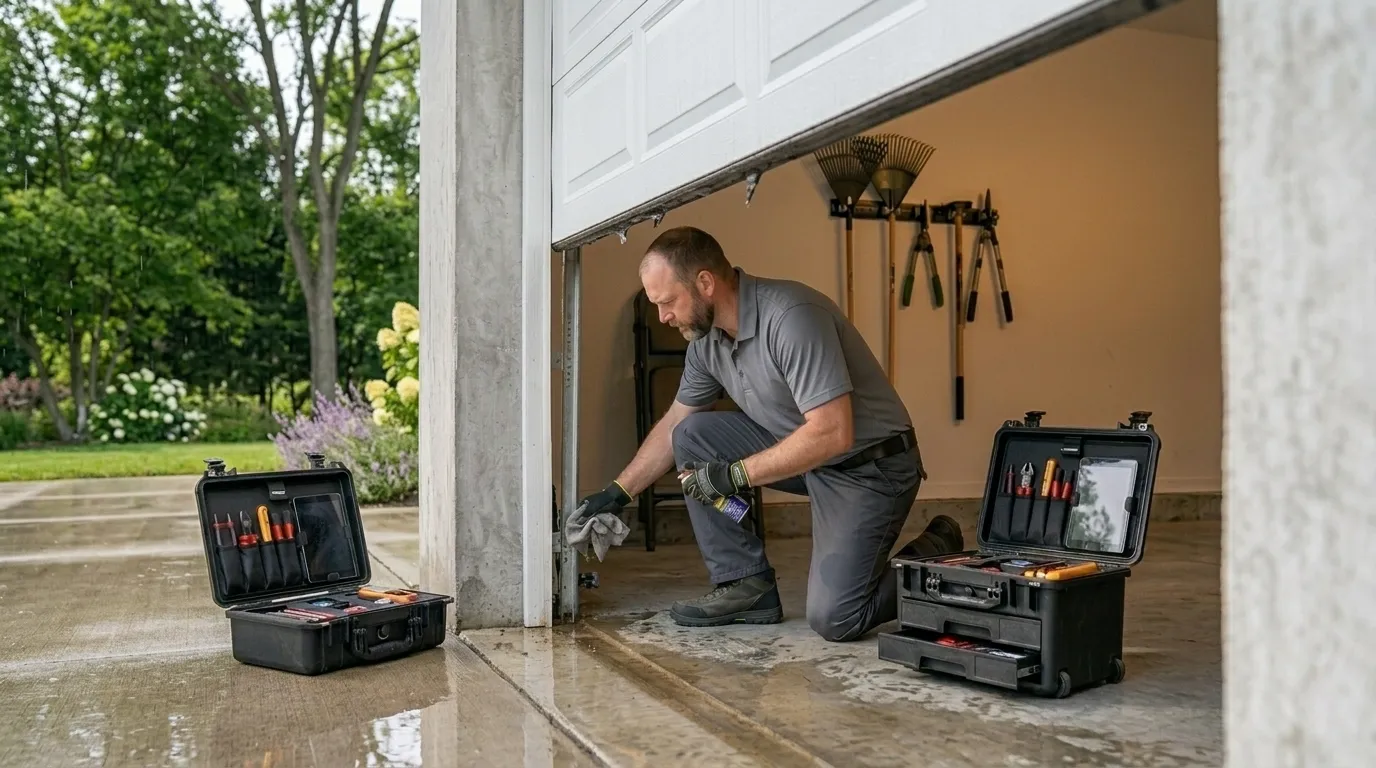
Tune-ups, lubrication, and safety checks that catch a small problem before it becomes a service call.
Learn more →Frequently Asked Questions
My house was built in the 1960s - is the garage door original?
It's possible. A lot of the housing across this service area dates to that decade, and original doors on houses that age are common, especially if no one's mentioned a replacement. Signs it's original: a single steel layer with no foam backing, an older torsion spring style, and rollers that look dry and brittle rather than sealed. We can tell you on a look.
Does the cold really affect an older garage door more than a new one?
Yes. Cleveland's cold climate cycles through freeze and thaw all winter, and an uninsulated panel from before insulation codes existed takes that stress directly on bare steel. Torsion springs on older doors are more likely to fail in cold months because the metal is stiffer and the lubricant has thickened. Newer insulated doors handle the swing better.
Is it worth replacing an old door just for the insulation?
Depends on what else is going on with it. If the door still closes flush, the spring is sound, and you're not seeing daylight around the edges, insulation alone may not justify the cost. If you're already dealing with dents, a failing seal, or a spring on its second replacement, upgrading to an insulated door at that point makes more sense than fixing around the same old panel again.
Have a Door That Needs a Second Opinion?
Call and describe what it is doing - we will tell you what it likely is.