
Service
Garage Door Repair Built Around Cleveland's Older Housing Stock
In Cleveland, garage door repair often means fixing 1960s-era torsion springs and openers worn out by cold winters and decades of temperature swings here.
- Licensed & Insured
- Same-Area Service Calls
- Upfront Pricing
What It Costs
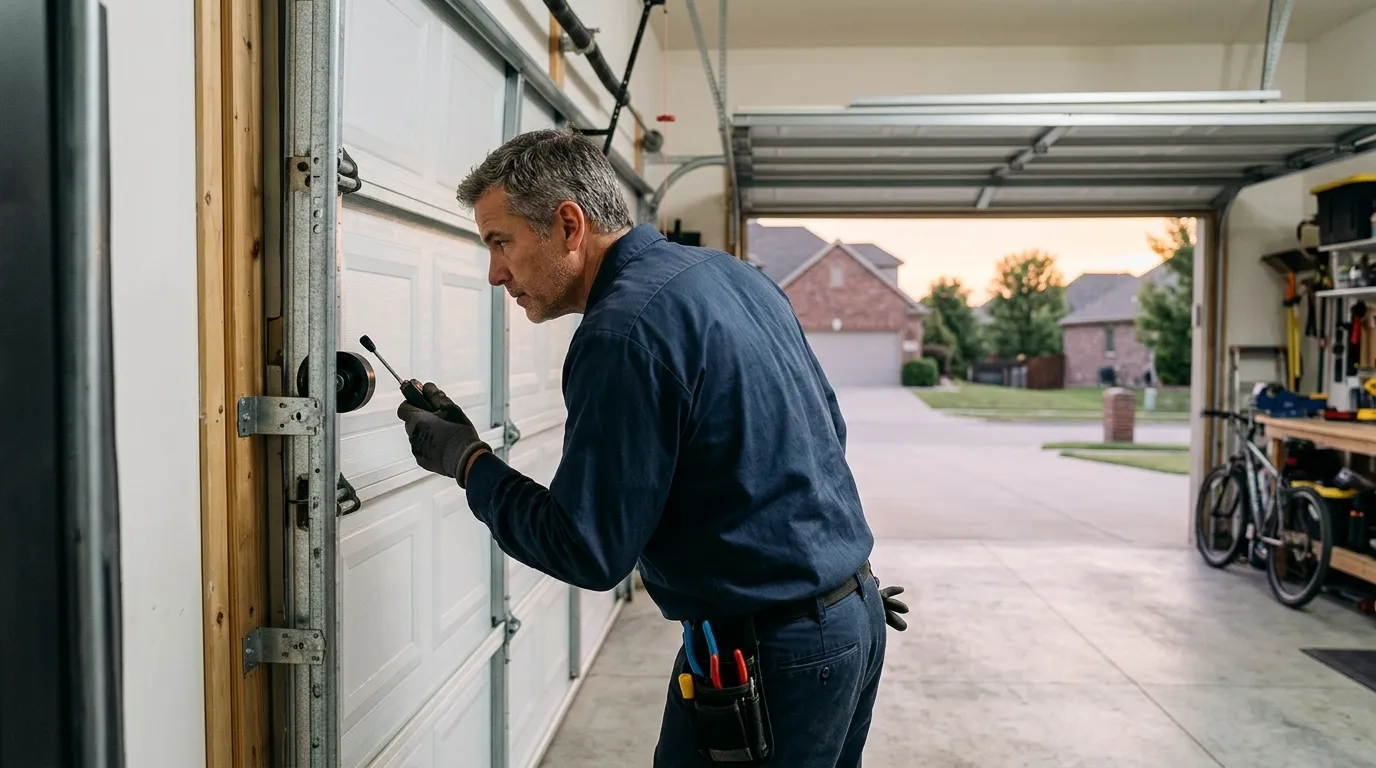
We don't post a flat number for garage door repair because the job itself changes depending on what's actually broken and what's already on the door. A broken torsion spring on a standard double door is a different job than replacing a worn extension spring setup on an older single, and an opener that's seized versus one that just needs a new logic board are two different tickets entirely.
What we can tell you is what drives the cost up or down: whether the springs are original to a 1960s or 70s build (common across this service area, per the housing stock here), whether the track is the older vertical style instead of the low-headroom kind, and whether parts for an older opener model need to be sourced rather than pulled off a shelf. Homes built between 1938 and 2004 across this area carry a wide range of hardware generations, so we quote after we look at the door, not before.
Honest limitation: if your opener is old enough that a replacement board isn't stocked anywhere, we'll tell you straight that a new opener is the cheaper and faster path, even though that's a bigger ticket up front than a repair.
The Symptom
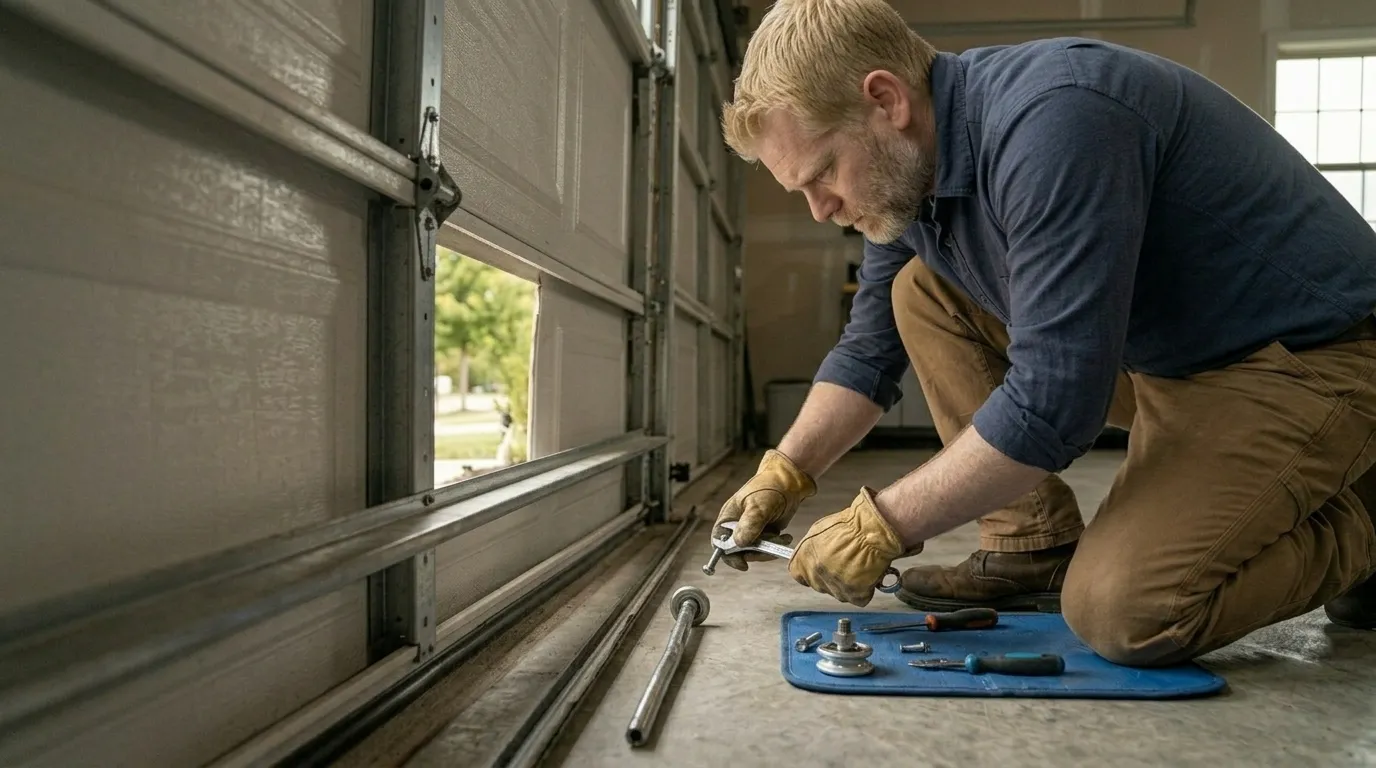
The call we get most starts one of two ways: the door won't budge at all, or it slams down the last foot instead of settling. The first is almost always a broken spring, torsion or extension, and you'll usually spot it because the door feels twice as heavy the second you try to lift it by hand. The second, the slam, is often a cable that's frayed or jumped its drum, which happens once the spring tension it depends on is gone.
Other versions of the same underlying problem show up as a grinding noise on the way up, an opener that runs but the door doesn't move, or a door that reverses itself halfway closed. That last one is frequently a sensor alignment issue rather than a spring, and it's worth ruling out before anyone touches the springs at all.
If your door is original to a house built in the 1960s or 70s, which describes a large share of the stock in this area, the symptom often traces back to hardware that's simply lived its full service life under decades of Cleveland winters rather than to any one bad part.
What Causes It Around Here
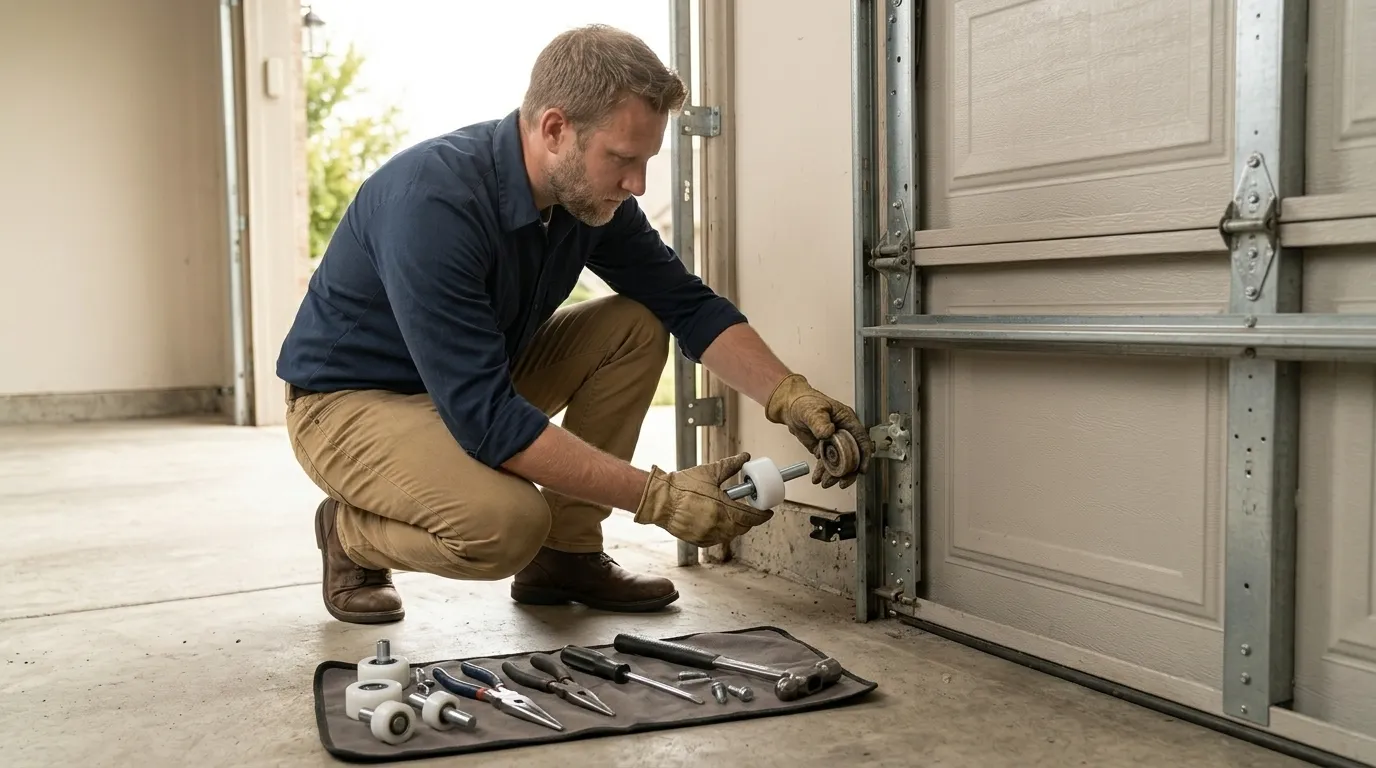
Steel torsion springs are rated for a set number of open-close cycles, and cold weather shortens that number. In a climate band like this one, moderate but firmly cold, the metal contracts every winter and expands every summer, and that repeated flex fatigues the spring faster than it would in a place that doesn't see real winters. Houses built here between 1938 and 2004, with most of the stock dating to the 1960s and 70s, are now old enough that a lot of original springs are past due for failure regardless of how well they were installed.
The second factor is the hardware itself. A door installed on a house built in that era typically has torsion hardware sized for the door and opener of its time, not for the heavier insulated doors or the stronger openers homeowners have since added. When someone swaps in a heavier door but keeps the original springs, the spring is working harder than it was ever built for, and it fails sooner.
We see this pattern across the older neighborhoods in this service area consistently enough that it's the first thing we check, not the last.
How Long It Takes
A straightforward spring replacement on a standard double door is usually the fastest job we do, since the springs, cables, and rollers we need for that repair are common stock. Where the job slows down is when the hardware on the door doesn't match anything current, which happens more often here than you'd expect given how much of the housing stock dates back to the 1960s and 70s.
If the track is the older vertical style instead of a modern extension track, or if the opener is an older model whose parts board isn't something a supplier keeps on hand, that job takes longer, not because the labor is harder but because we're waiting on a part. We'll tell you at the door if that's the situation rather than let you assume it's a same-visit fix.
Most repairs on doors installed within the last couple of decades go quickly. Repairs on doors that trace back to the original build of an older home are the ones where we ask for patience, because the parts world hasn't kept every piece of 1965-vintage hardware in stock for sixty years.
Jobs Like Yours
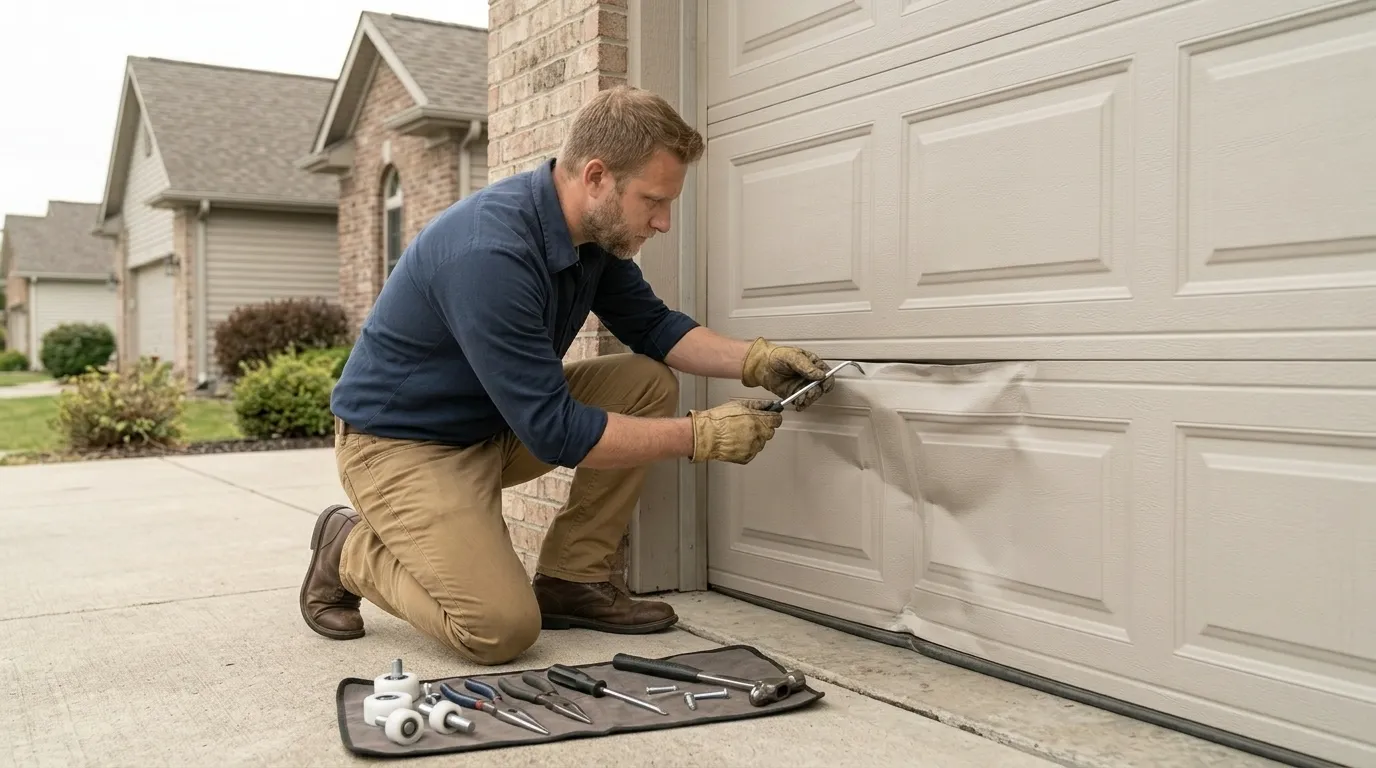
Recent work from this service line.
Talk to a Technician Before You Book
Describe what the door is doing and get a straight answer on what it likely needs.
Why Cleveland Calls Us
What Happens When You Call
-
1
Call or Request a Quote
Tell us what the door is doing and roughly how old the house is - that alone points us toward the likely part before a truck leaves.
-
2
On-Site Diagnosis
A tech checks the spring, cables, tracks, and opener in person and tells you plainly what is actually wrong.
-
3
Straight Price, No Surprises
You get a number before any work starts. It covers parts and labor, nothing added after the fact.
-
4
Fixed the Same Visit
Most repairs are done in one trip. If a part needs sourcing, we tell you that upfront instead of guessing.
Other Ways We Can Help
Frequently Asked Questions
Why did my garage door spring break in winter?
Cold weather is hard on torsion springs. The metal contracts in freezing temperatures and loses some flexibility, so a spring that's already near the end of its cycle life is more likely to snap during a cold stretch than a mild one. This is common across the older housing stock in this area, where a lot of springs are original to houses built decades ago.
Is it worth repairing an old opener or should I replace it?
It depends on what's failed. If it's a sensor, a remote, or a logic board that's still stocked, repair usually makes sense. If the opener is old enough that parts have to be specially sourced, replacement is often the cheaper and faster route. We'll tell you which situation you're in once we've looked at the unit.
Do you work on doors in older neighborhoods with original hardware?
Yes. A large share of the homes in this service area were built in the 1960s and 70s, and we regularly work on doors still running on hardware from that era. Some of those jobs move quickly; others take longer if a part isn't something suppliers keep in stock.
Need Garage Door Repair Built Around Cleveland's Older Housing Stock?
Call now for straight answers on cost and timing.