
Cleveland Garage Door Guide
Fixing vs Replacing: What Cleveland's Older Garage Doors Can Take
In Cleveland, most homes were built in the 1960s and 70s, and original garage door hardware struggles with our freeze-thaw winters on springs and tracks.
- Licensed & Insured
- Same-Area Service Calls
- Upfront Pricing
Where People Go Wrong
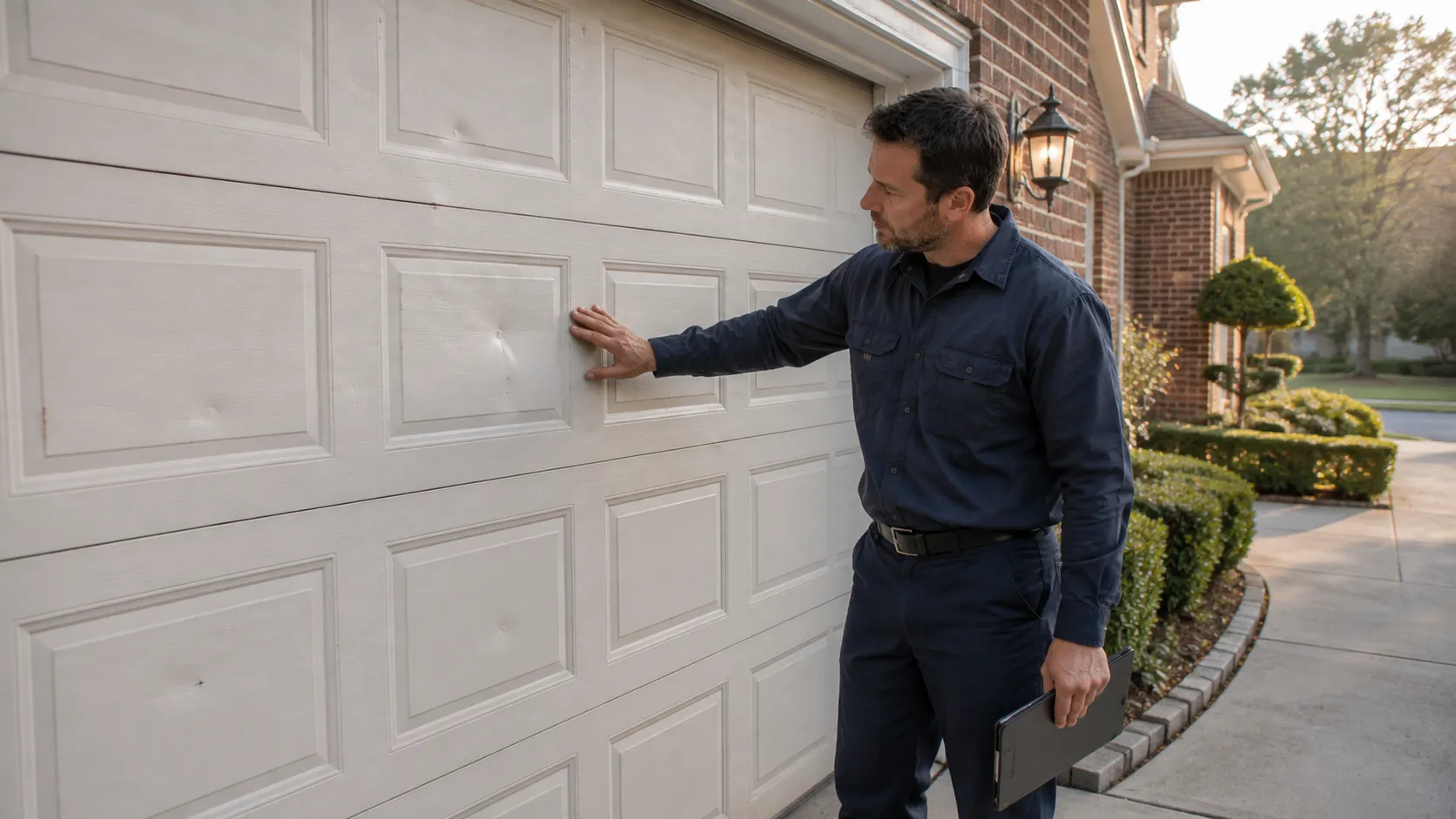
The mistake we see most in Old Brooklyn, Brooklyn Centre, and Broadway-Slavic Village is treating an old door like it's already dead the moment something squeaks. Most of the houses on this end of Cleveland went up between 1938 and 2004, with the bulk clustered in the 1960s and 70s.
That means a lot of original hardware is still on the wall - and original doesn't mean broken. A stiff track or a slow-closing opener often just needs adjustment, not a $2,000 replacement job.
The opposite mistake happens too: people keep feeding money into a door that's actually done. If the panels are rusted through at the bottom or the torsion spring cable has frayed, patching it is throwing good money after bad. The trick is telling the difference, and that starts with knowing what era the door came from, not just how old the house looks from the street.
The Situation
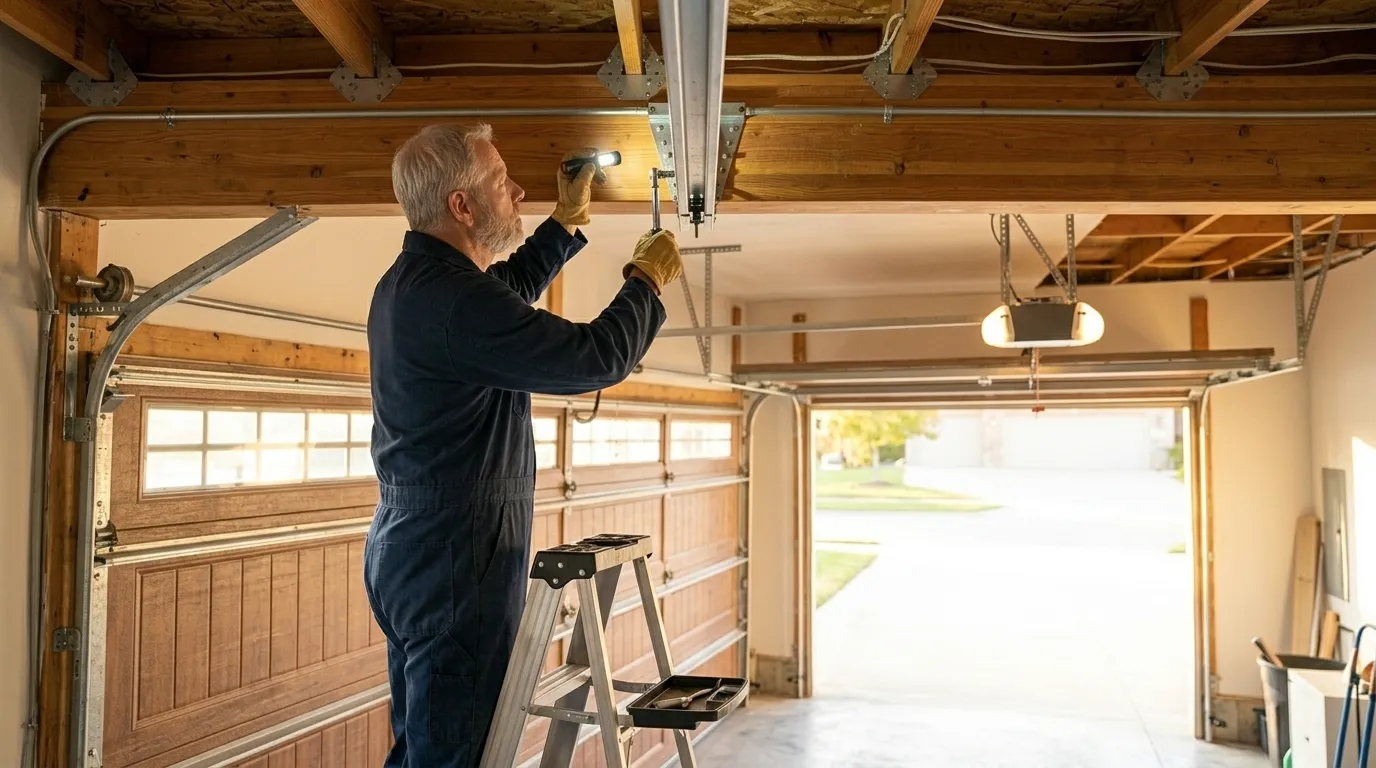
Housing across the service area spans 1938 to 2004, with a median build year around 1965, and most of the 66 named areas we work in - from Downtown to Shaker Heights to Rocky River - share that same 1960s-70s core. That matters because doors and openers from that period were built to a different standard than what's sold today: heavier steel, simpler torsion setups, fewer safety sensors.
Across the region there are 401,924 households, and 202,321 of them are owner-occupied - the group that tends to call us about doors older than they are, because they're the ones who've lived with the same door through multiple winters. Median household income here runs $93,931, which is enough that most owners can choose a full section replacement over a patch job when the math says replacement wins. That choice looks different on a 1965 colonial in Cuyahoga Heights than it does on a newer build in Independence, and we price it accordingly rather than pushing one answer for every door.
Doing Nothing For Now
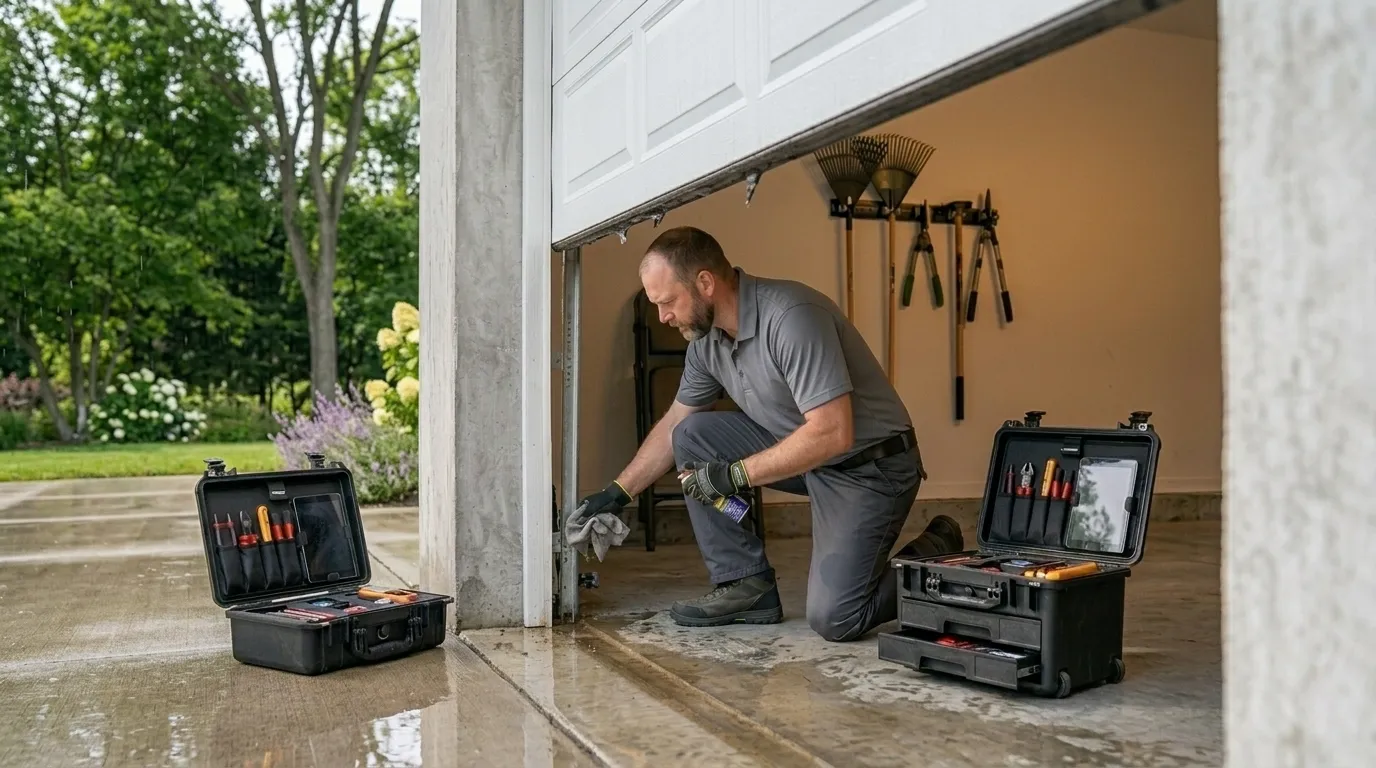
Not every symptom means call today. A door that's a little noisy but still opens level, still reverses when it hits something, and still has an intact spring can wait. If you're not hearing metal-on-metal grinding and the door isn't sagging on one side, you've got time to plan instead of scramble.
Here's the honest limit on our end: original hardware from the 1960s and 70s stock common across this area sometimes uses spring and track sizes that aren't stocked anywhere anymore. When that happens, a repair that should take an hour turns into a special order with a real wait attached, and sometimes the more sensible move is replacing the section rather than hunting down a part for a door that's outlived its run. We'll tell you which situation you're in before we start work, not after.
What the Weather Here Does to It
Cleveland sits in a cold, moderate climate band, and the freeze-thaw swing is what wears out old torsion springs faster than the door itself. Steel contracts in a hard cold snap, and a spring that's been carrying the same tension since the house was built in 1965 doesn't flex the way it used to - it's more likely to snap on a cold morning than a mild one.
Tracks feel it too. Old grease hardens in the cold, rollers bind, and a door that closed fine in September starts hanging up in January.
A door installed when a Cuyahoga Heights or Brooklyn Heights ranch went up in the 1960s was never built to handle the number of freeze-thaw cycles it's now seen decade after decade. None of this means the door is junk - it usually means the lubricant, the roller set, or the spring tension needs attention before the cold makes the decision for you.
How We Can Help
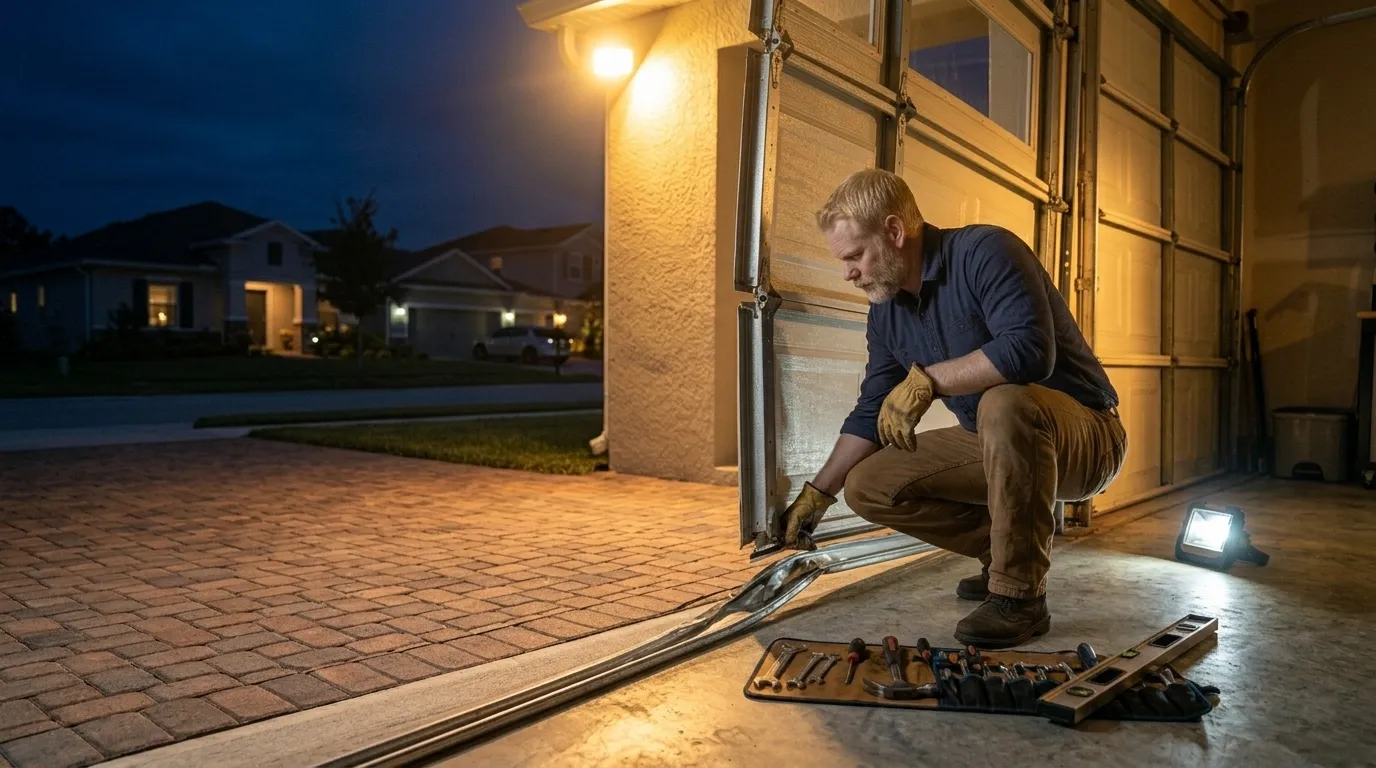
Garage Door Repair
Springs, cables, tracks, rollers, and openers fixed by a tech who explains the problem before touching anything.
Learn more →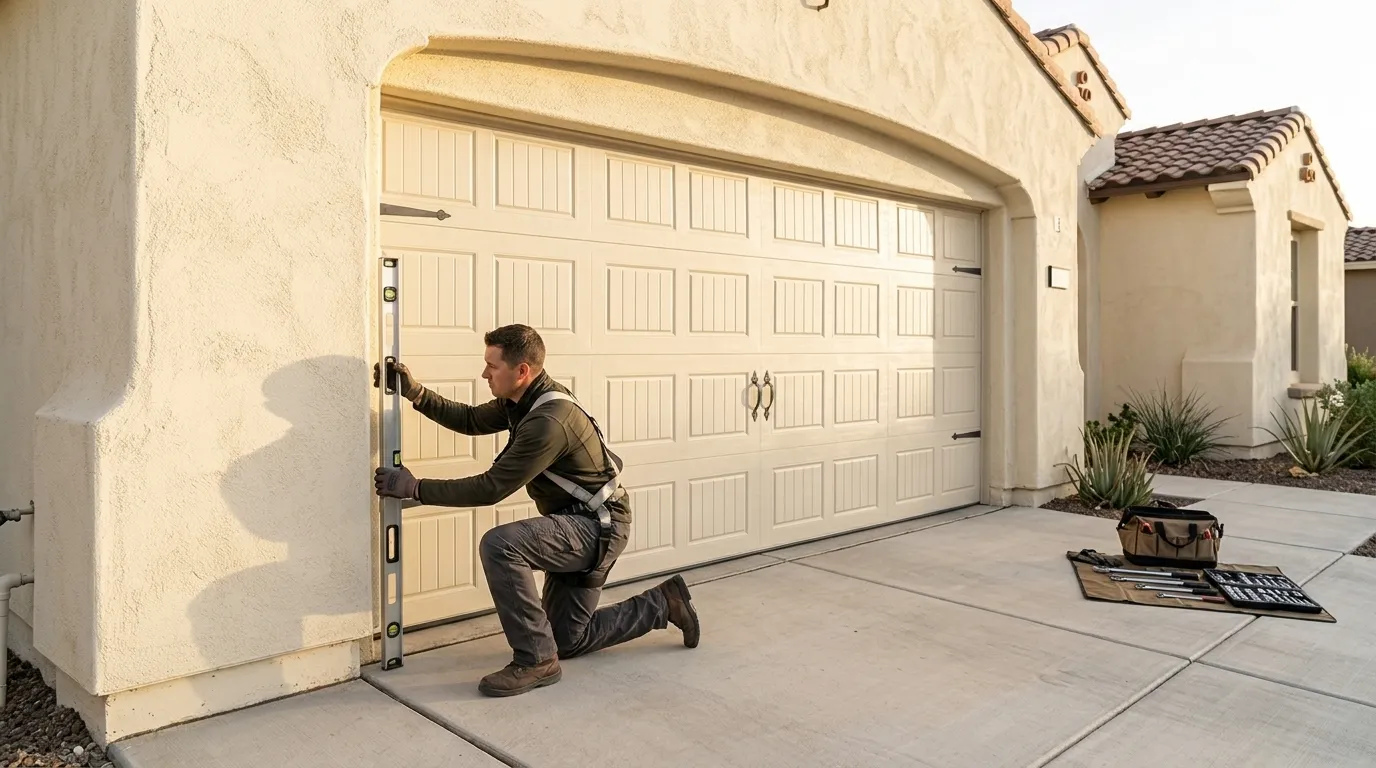
Garage Door Installation
New sectional doors sized and installed for the housing stock actually built in this area.
Learn more →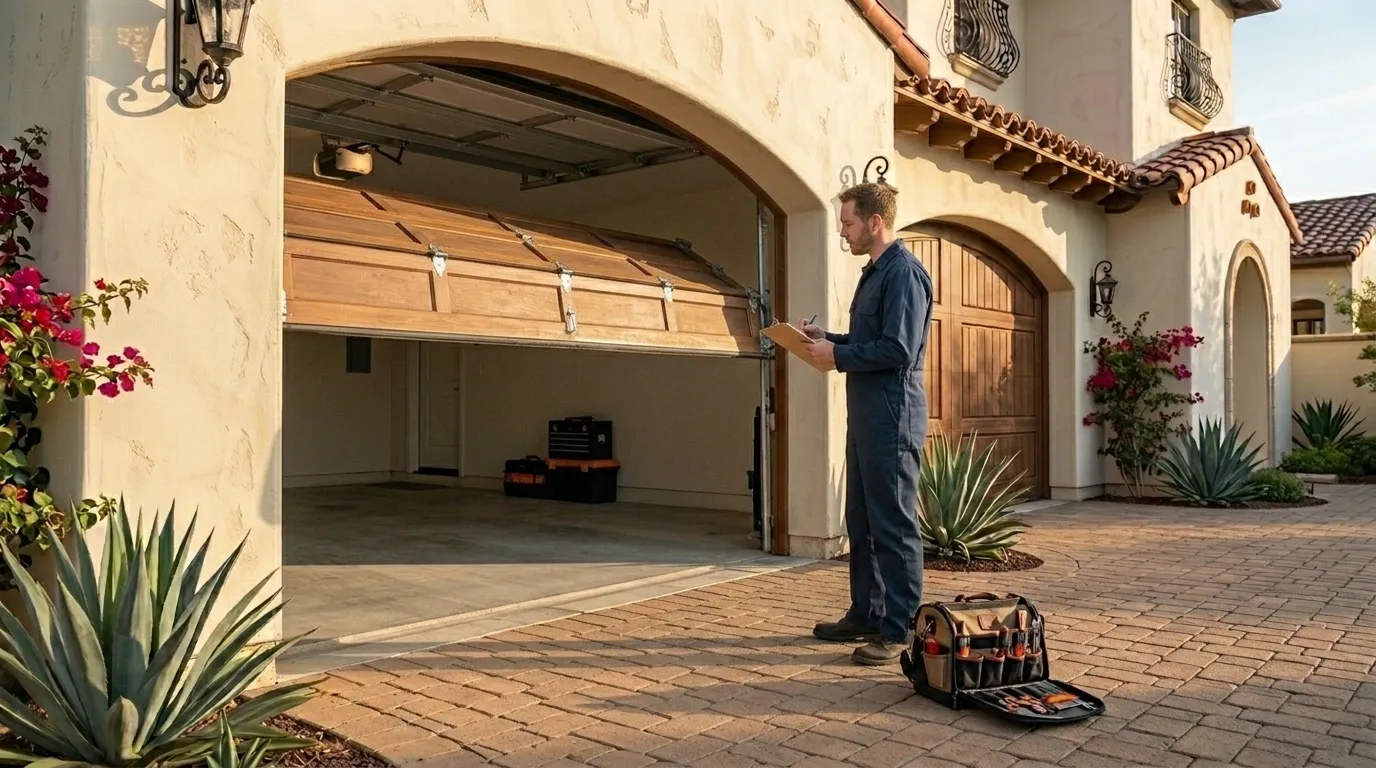
Garage Door Service
Tune-ups, lubrication, and safety checks that catch a small problem before it becomes a service call.
Learn more →Frequently Asked Questions
How do I know if my garage door is original to the house?
If your home was built in the 1960s or 70s - common across most of this area - and the door has never been replaced, look for a steel torsion spring mounted directly above the door on a single shaft rather than a pair of extension springs on the sides. That single-spring layout was standard for that era and is a good sign the door hasn't been swapped.
Does Cleveland's winter really shorten a garage door's life?
Yes, in a specific way: the cold-to-warm swing here stresses torsion springs and hardens old lubricant faster than a milder climate would. It's not the cold alone, it's the repeated freeze-thaw cycling, which is why springs on older Cleveland doors tend to fail in winter more than any other season.
Is it worth fixing a door from the 1960s or 70s instead of replacing it?
Often yes, if the frame and panels are solid and it's a spring, cable, or roller issue. Those parts get replaced regardless of the door's age. Replacement makes more sense when the panels themselves are rusted or bent, since that's the part original to a house built decades ago that can't be patched back to new.
Have a Door That Needs a Second Opinion?
Call and describe what it is doing - we will tell you what it likely is.