
Cleveland Garage Door Guide
What Actually Happens When We Come Look at Your Door
A look at what a real garage door service call covers in Cleveland, where most houses date to the 1938-2004 stretch and cold winters wear down original hardware.
- Licensed & Insured
- Same-Area Service Calls
- Upfront Pricing
Where People Go Wrong
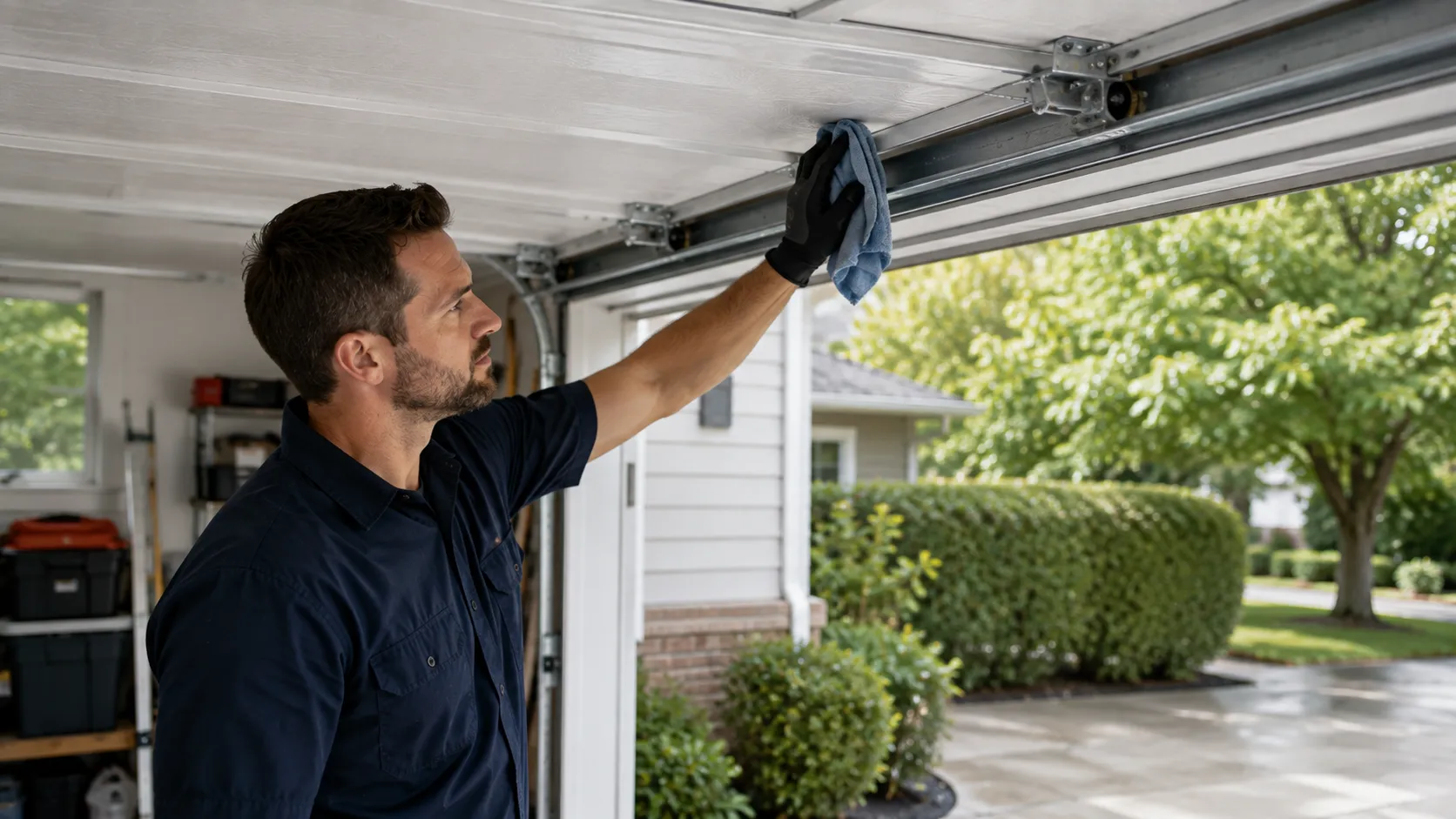
Most calls we take start the same way: a door that's noisy, slow, or stuck, and an owner who's already guessed at the cause. In a lot of Cleveland's older neighborhoods - the housing stock here runs 1938 to 2004, with the median build year sitting around 1965 - the guess is usually wrong because the hardware isn't what people expect. A door built to torsion specs from the 60s doesn't fail the same way a 2004 rebuild does, and a lot of online advice assumes newer, lighter-gauge parts.
The other mistake is assuming the opener is the problem when it's the spring, or assuming the spring when it's actually a bent track from years of settling in an older foundation. We see both patterns across the 66 named areas we cover, from Downtown out to Broadview Heights. A service call exists to separate what's actually broken from what just sounds broken, and that takes eyes on the door, not a guess over the phone.
The Situation
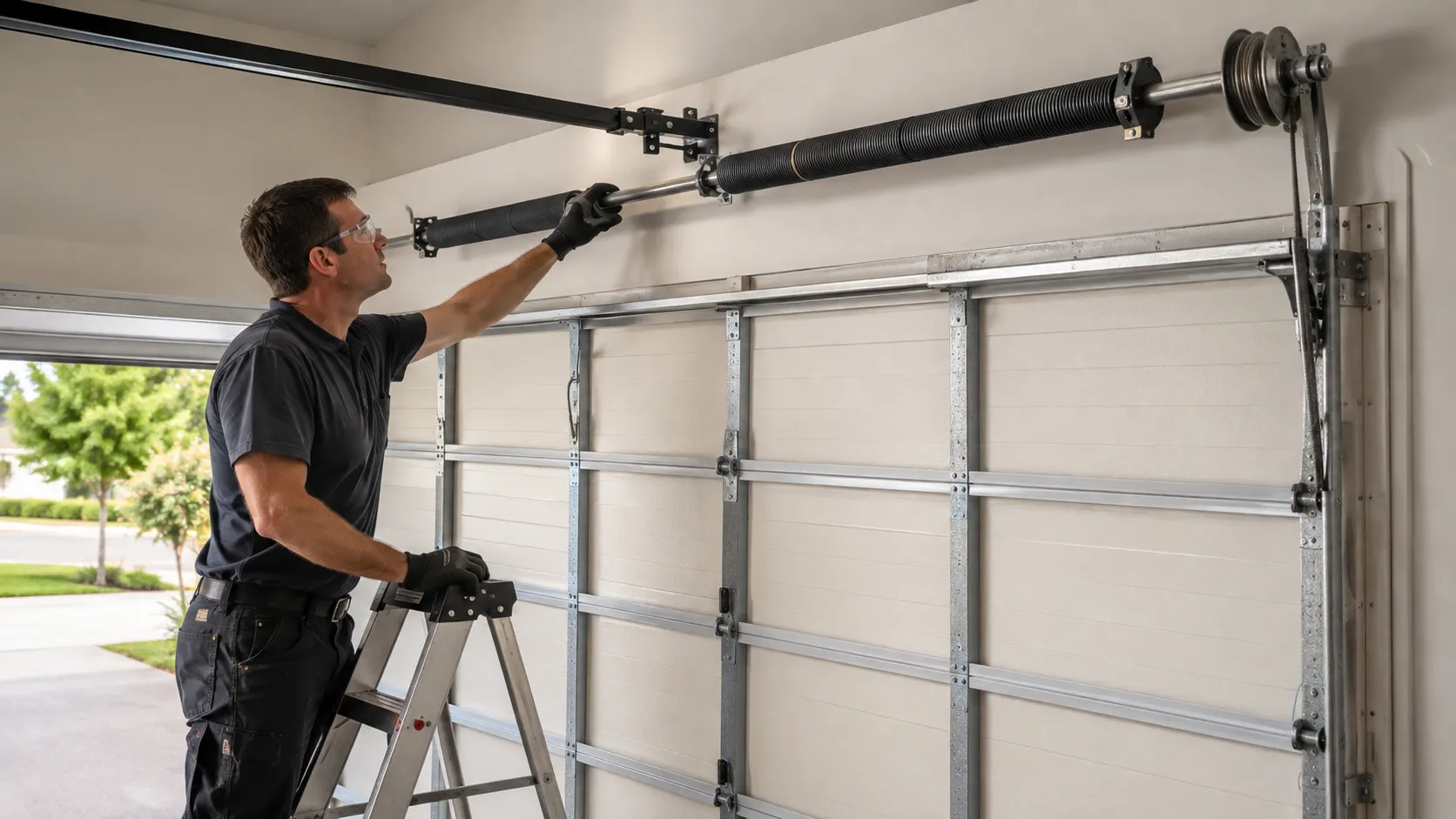
A service call covers a hands-on check of the whole system: springs, cables, rollers, tracks, hinges, and the opener's force and travel settings. Given how much of the local housing dates to the 1960s and 70s across this service area, a big share of what we find is original or near-original torsion hardware that's simply worn past its cycle count, not damaged by any one event.
We check spring wind and cable wear first, since those carry the door's full weight and are the most common cause of a door that won't move. Then tracks and rollers, which take the brunt of temperature swings in a cold-climate market like this one. Finally the opener - travel limits, force settings, and the safety reversal system, which drifts out of adjustment over years even when nothing looks obviously wrong.
What we don't do on a standard call is a full teardown and rebuild unless the door needs it. If the fix is a lubrication and adjustment, that's what gets billed, not a bigger job than the door requires.
Doing Nothing For Now
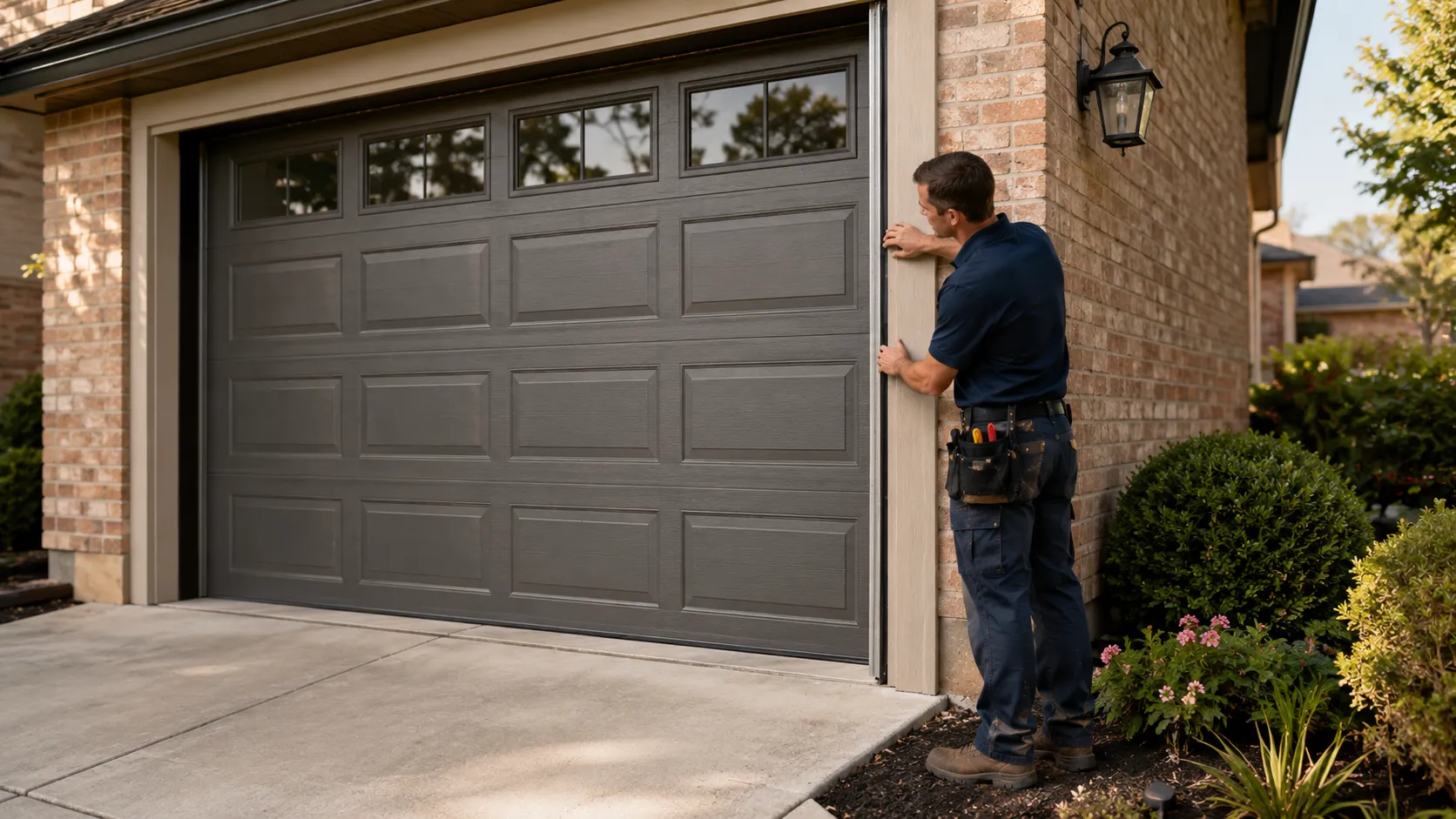
Sometimes the honest answer is to wait. If a door is functioning, closes flush, and the opener reverses properly on contact, there's often no reason to replace parts just because they're original to a 1960s or 70s build. Age alone isn't a failure.
The limitation worth saying plainly: we don't push replacement on hardware that's still doing its job, and we won't manufacture urgency out of a door that's simply old. If a spring shows visible wear, a cable is fraying, or the opener's reversal test fails, that's different - those get flagged as things to fix soon, not delayed. But a door that's slow because it's original to a 1965-era house and hasn't been lubricated in years is often a maintenance visit, not a repair job.
Where doing nothing gets expensive is when a worn part is left long enough that it damages something around it - a stretched cable that jumps a drum, or a track that's been forced instead of adjusted. That's the line between waiting and ignoring.
What the Weather Here Does to It
Cleveland sits in a cold, moderate climate band, and that shows up on a garage door in specific ways. Steel contracts in winter, which tightens tolerances on tracks and rollers that were fine in warmer months. Grease that worked in July gums up or thins out by January, and a door that was quiet in fall starts grinding by the first real cold snap.
Houses built across the 1938-2004 range often have springs and openers that were never rated with today's synthetic, cold-weather lubricants in mind, so the seasonal swing hits older hardware harder than newer installs. We see the calls cluster with the first sustained cold stretch each year - not because anything failed overnight, but because marginal wear that was tolerable in mild weather stops being tolerable once metal tightens up.
This is also where a service call earns its keep over a DIY fix: cold-weather adjustment on force settings and spring tension isn't the same job as a summer tune-up, and doing it wrong in winter can leave a door that slams instead of reversing.
How We Can Help
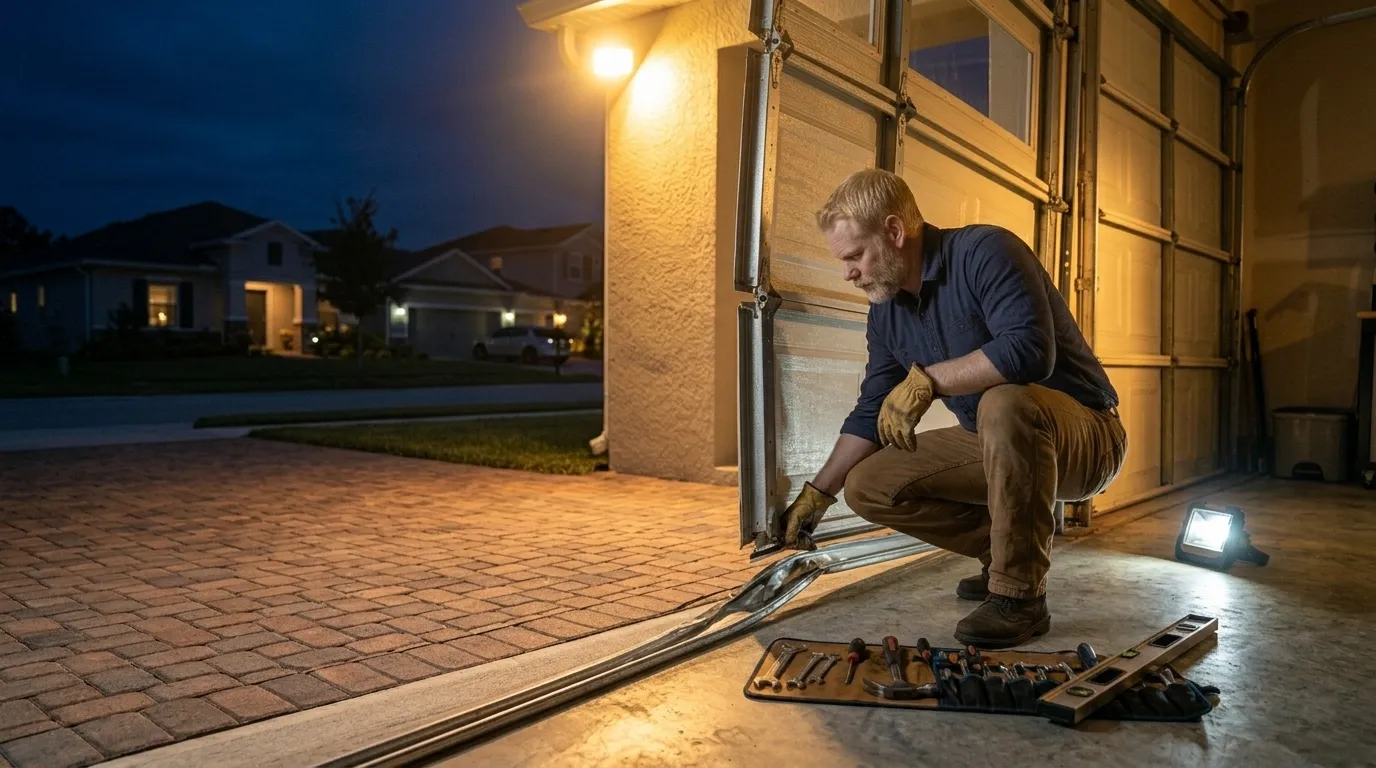
Garage Door Repair
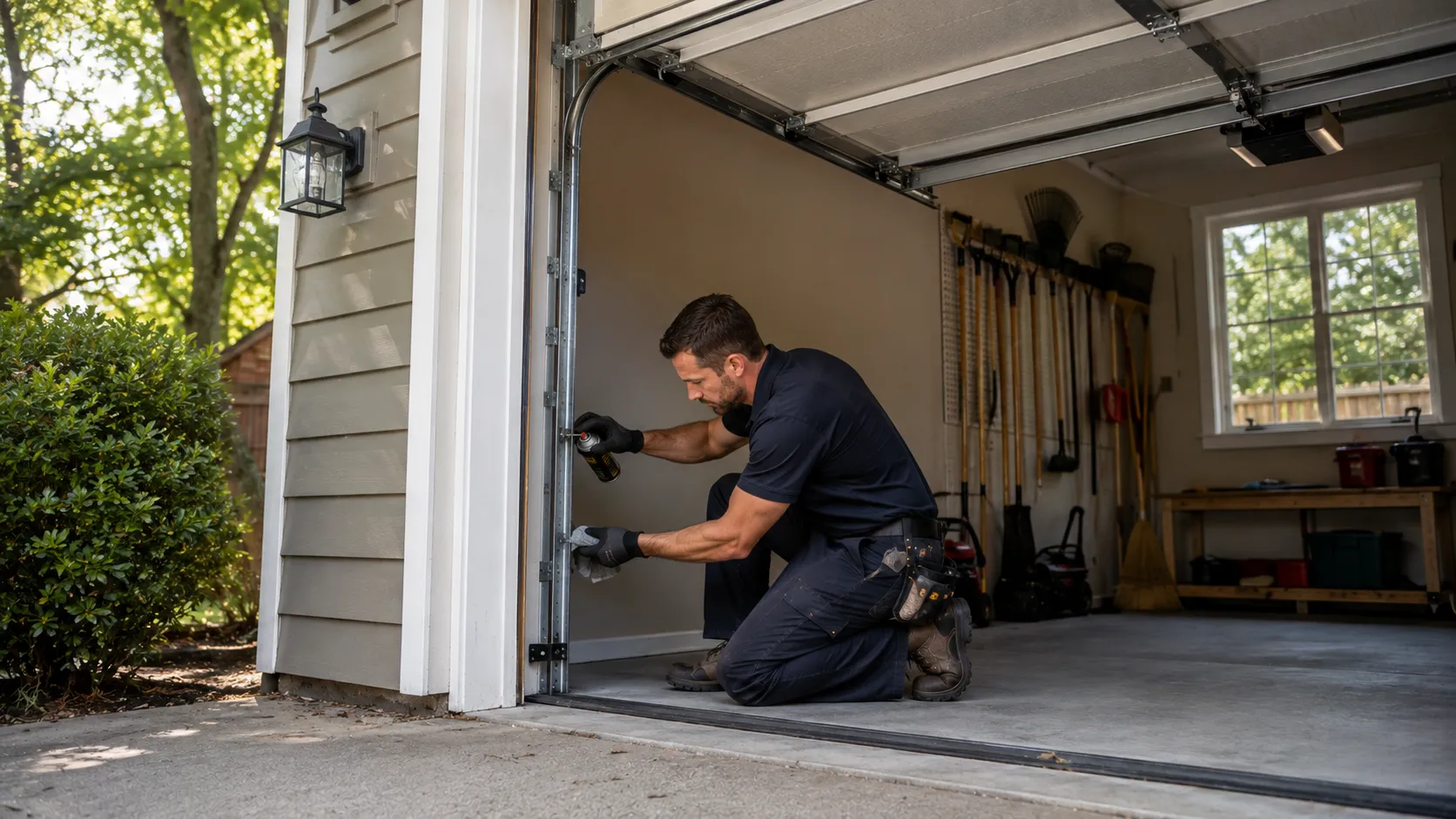
Springs, cables, tracks, rollers, and openers fixed by a tech who explains the problem before touching anything.
Learn more →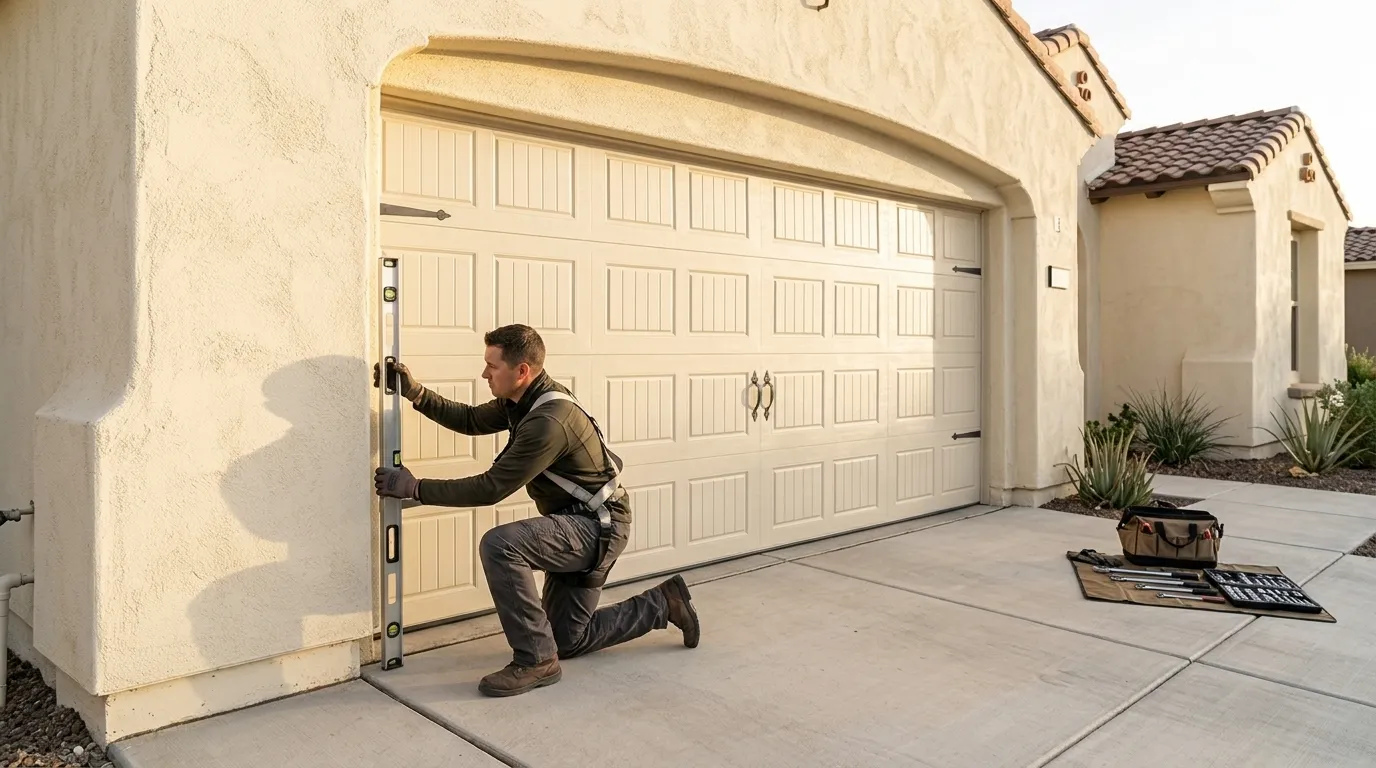
Garage Door Installation
New sectional doors sized and installed for the housing stock actually built in this area.
Learn more →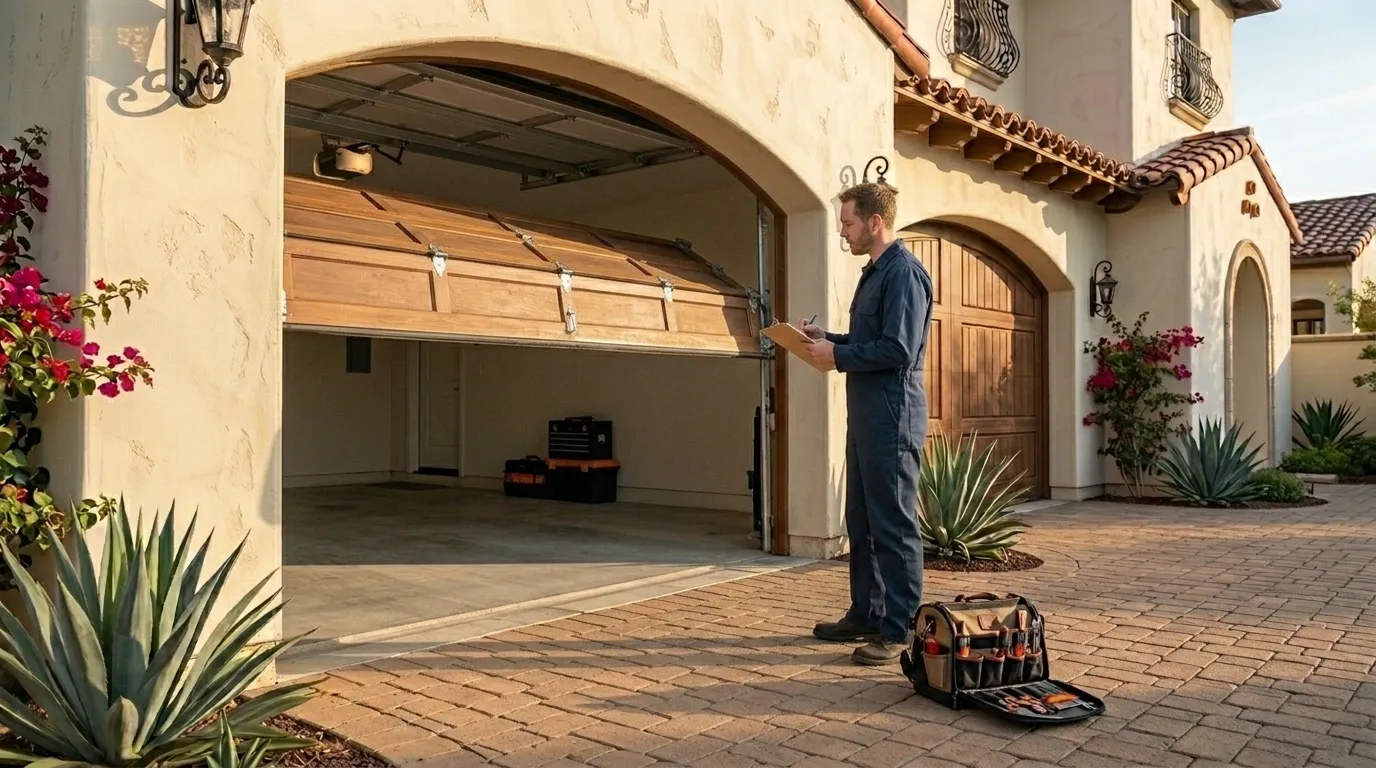
Garage Door Service
Tune-ups, lubrication, and safety checks that catch a small problem before it becomes a service call.
Learn more →Frequently Asked Questions
How do I know if my door needs a full repair or just a service call?
If the door still opens and closes but sounds rough, sticks partway, or the opener seems to strain, that's usually a service call - lubrication, adjustment, and a hardware check. If a spring is visibly broken or a cable has snapped, that's a repair call, not a routine visit.
Does the age of my house matter for garage door service?
Yes. A lot of houses in this service area were built between the late 1930s and early 2000s, with plenty from the 1960s and 70s. Original torsion hardware from that era wears differently than newer parts, so knowing the house's age helps us know what we're likely dealing with before we even open the door.
Why does my door get worse specifically in winter?
Cold tightens steel tolerances on tracks and rollers, and lubricant that worked fine in warmer months can thin or gum up in freezing temperatures. Doors that were marginal in fall often become noisy or sticky once sustained cold sets in.
Have a Door That Needs a Second Opinion?
Call and describe what it is doing - we will tell you what it likely is.