
Cleveland Garage Door Guide
Attached or Detached: Cleveland Garages Age Differently
Cleveland's 1938-2004 housing stock split evenly between attached and detached garages, and that split changes how a cold-climate door ages and fails. Here's what to know before you call.
- Licensed & Insured
- Same-Area Service Calls
- Upfront Pricing
Where People Go Wrong
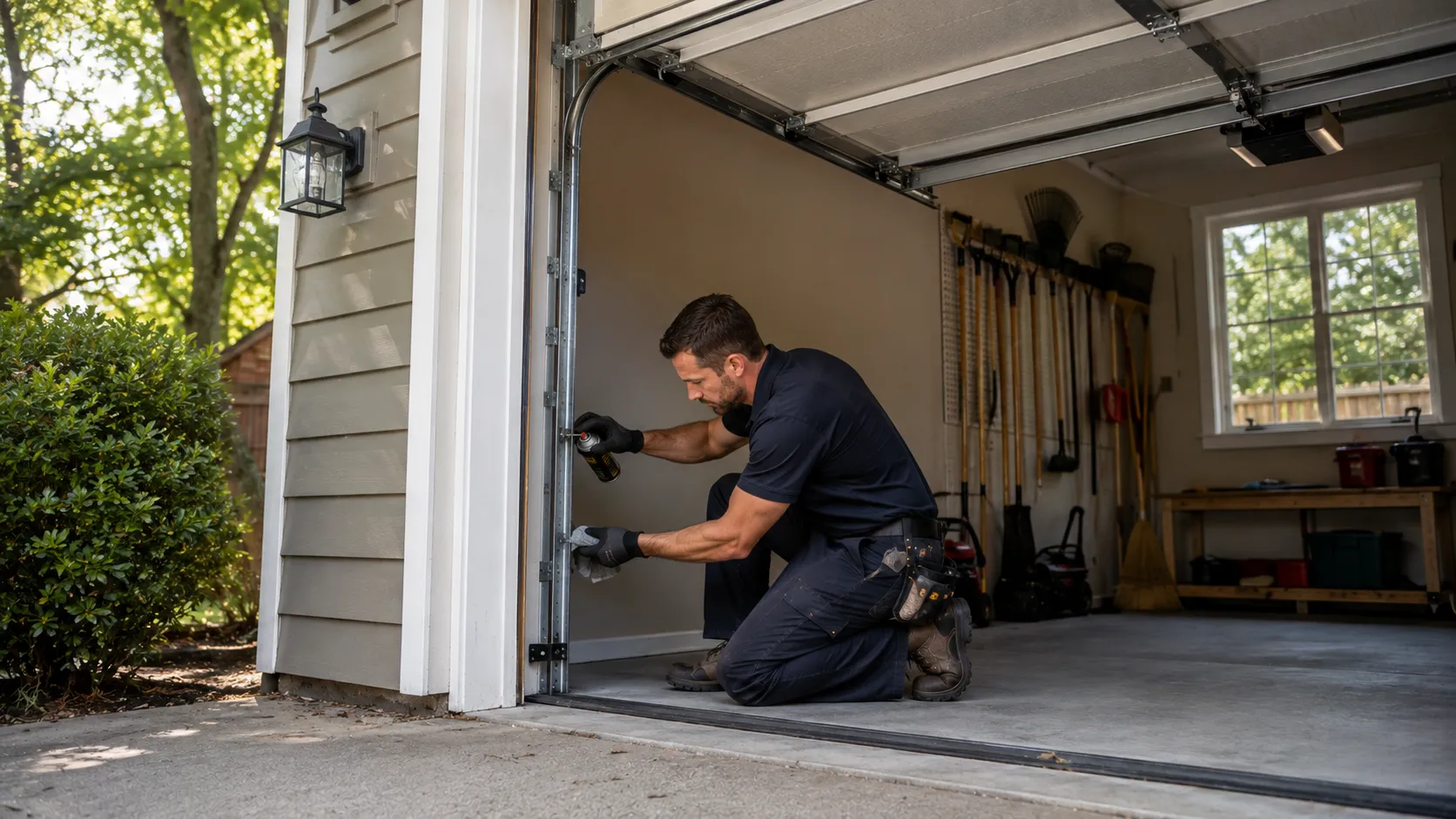
The mistake we see most is homeowners treating a detached garage in Old Brooklyn or Brooklyn Centre the same as an attached one in Downtown or Detroit-Shoreway. They're not the same job. A detached garage, common on the older lots built before 1965 across this service area, usually sits unheated and unattached to any living space wall - the door is the only thing standing between the opener and the outside air.
An attached garage, more typical of the newer stock built into the 1980s and 90s, at least gets some residual warmth bleeding through the shared wall. That difference changes what fails first. On a detached door, we see hardened lubricant and stiff hinges before we see anything wrong with the opener itself.
On an attached door, the opener logic board or the wall switch wiring tends to go first because that side of the structure holds more moisture from the house. If you diagnose one like the other, you'll replace parts that didn't need replacing and leave the actual failure point alone. This matters more here than in a climate where the swing between summer and winter is mild - Cleveland's cold winters make the gap between the two setups wider than most owners expect.
The Situation
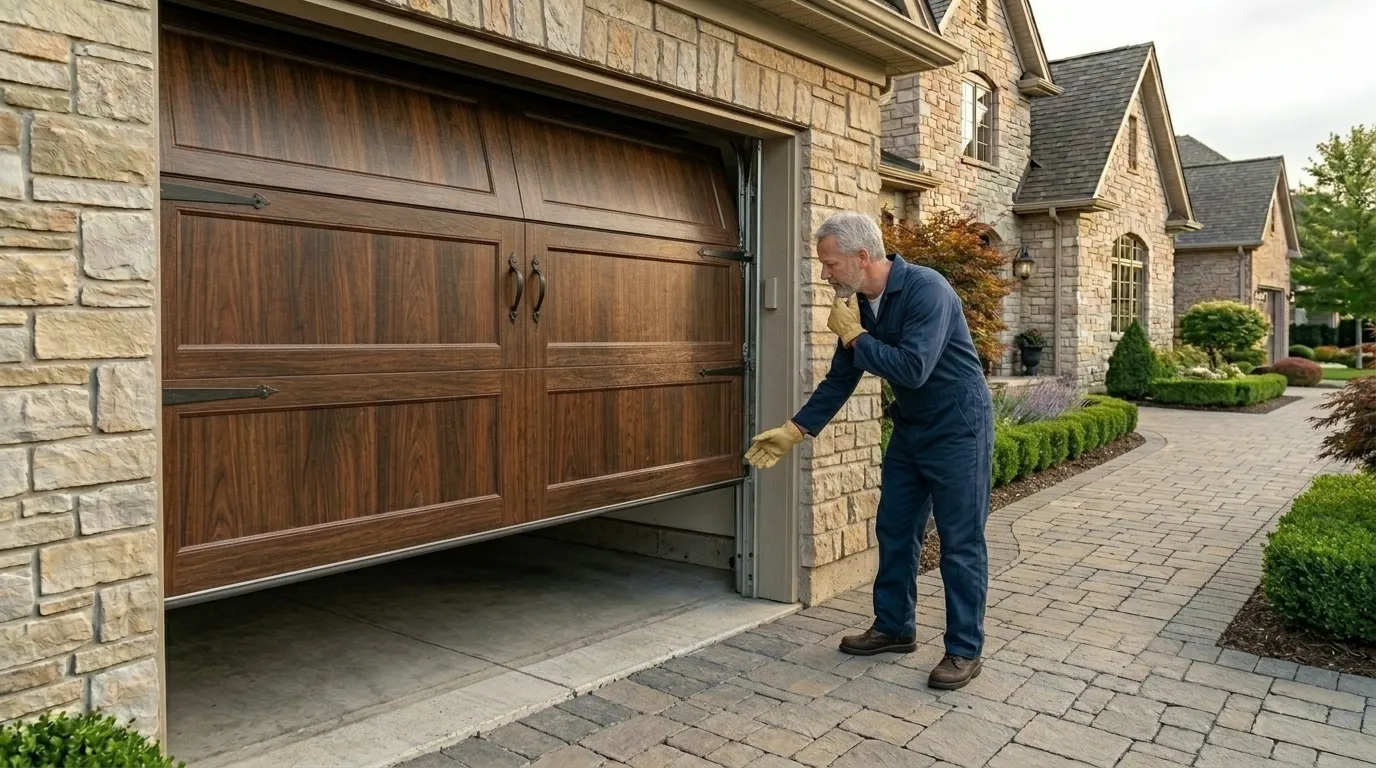
Housing in this service area went up mostly between 1938 and 2004, with the median build year around 1965, and the bulk of it dates to the 1960s and 70s across the 66 named areas we work in - from Old Brooklyn and Broadway-Slavic Village to Lakewood and Shaker Heights. Detached garages were the standard build in the older, denser neighborhoods closer to downtown, where lots were narrow and the garage sat back off an alley. Attached garages became more common as building moved outward toward areas like Brook Park, Independence, and Broadview Heights, where lots had more width to work with.
That means the type of garage on a given street often tracks the decade the block was built, not personal preference. A 1965-built house near Detroit-Shoreway is more likely to have a detached structure with original framing than a house built in the 80s near Broadview Heights. Knowing which you have tells you what hardware is underneath the door - and whether the header above it was ever built to hold a heavier insulated panel.

Doing Nothing For Now
Not every door needs work today, and we'll say so on the truck if that's the honest answer. A detached door on a 1960s frame that still opens square and seals at the bottom doesn't need replacing just because it's old. The risk with doing nothing is specific to which setup you have.
On a detached garage, a door left un-serviced through a Cleveland winter tends to seize at the rollers first - the cold thickens old grease and the opener starts straining against it, which is what actually burns out the motor. On an attached garage, the bigger risk of waiting is heat and moisture loss into the house side, since an attached structure shares a wall with living space in a way a detached one never does.
What the Weather Here Does to It
placeholder
How We Can Help
Garage Door Repair
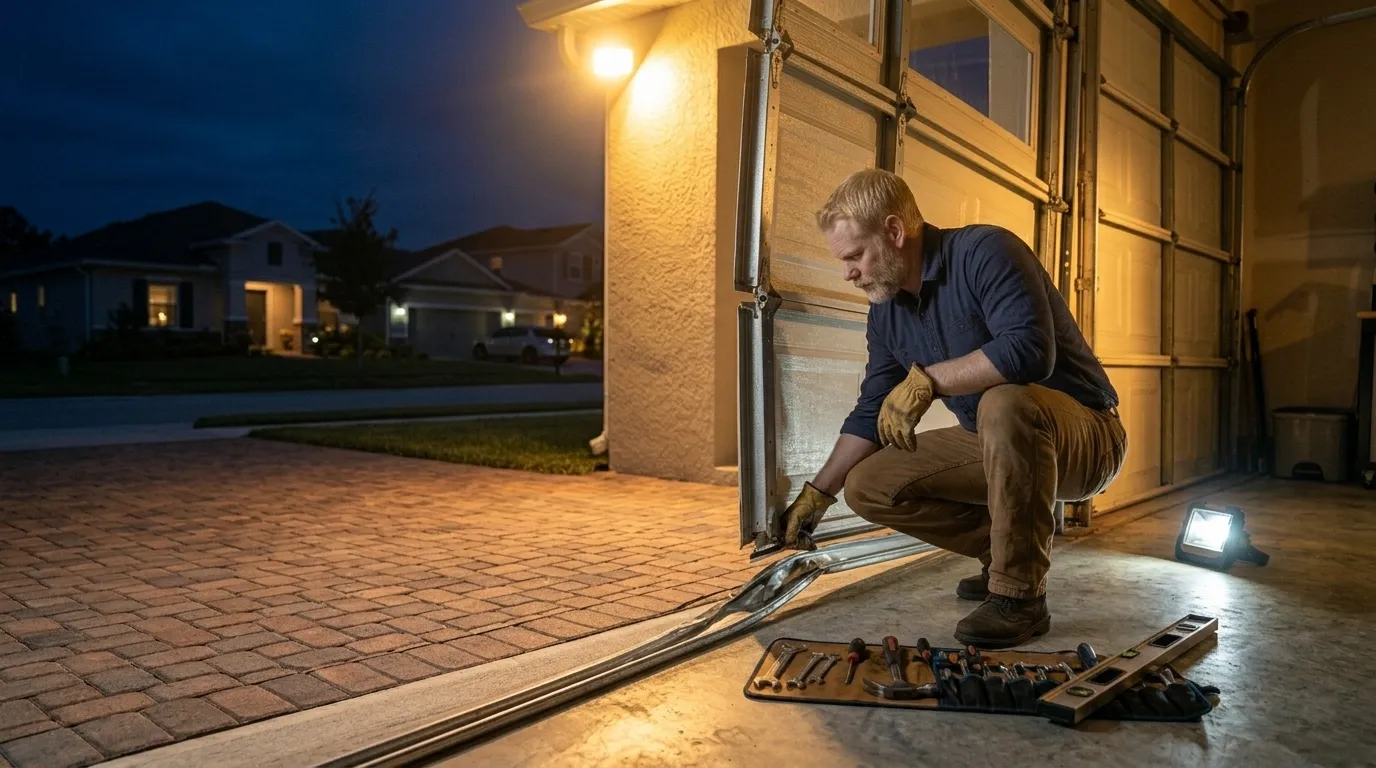
Springs, cables, tracks, rollers, and openers fixed by a tech who explains the problem before touching anything.
Learn more →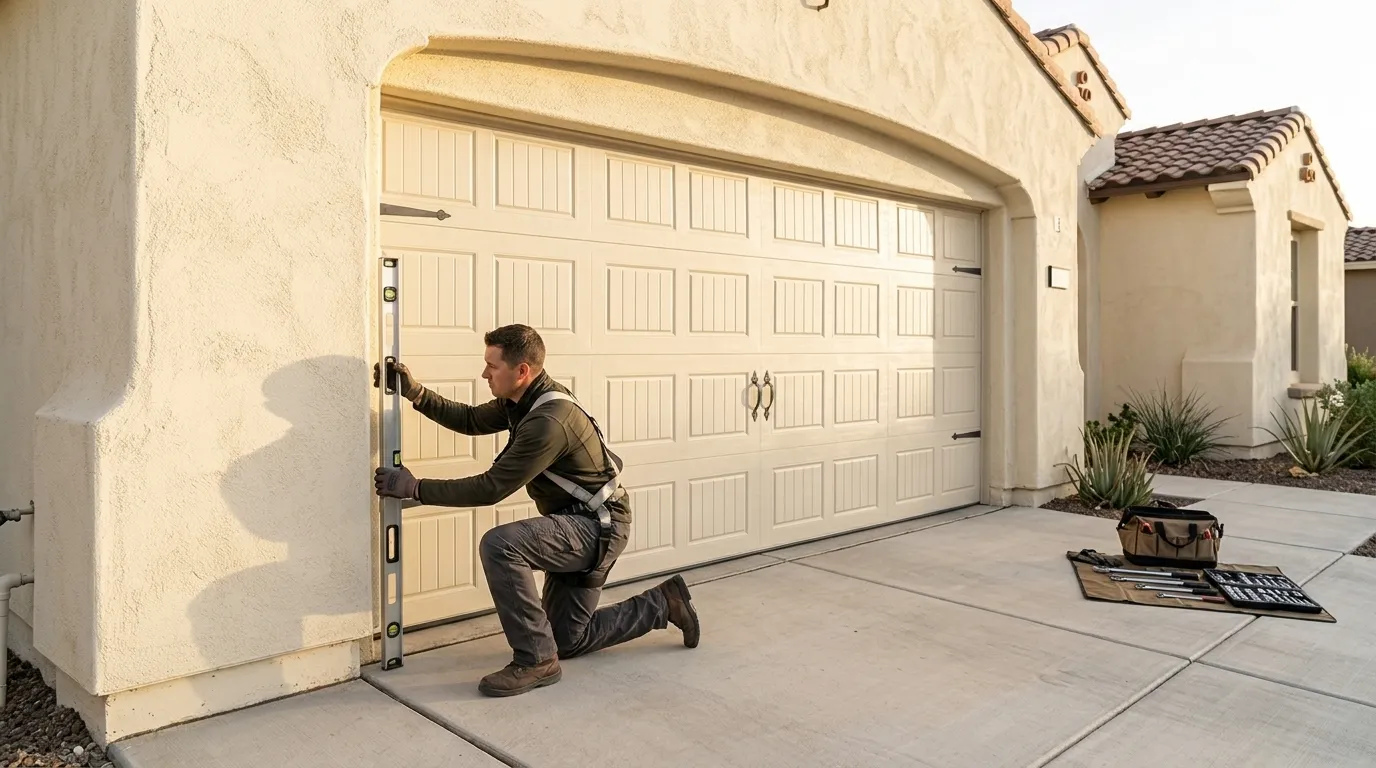
Garage Door Installation
New sectional doors sized and installed for the housing stock actually built in this area.
Learn more →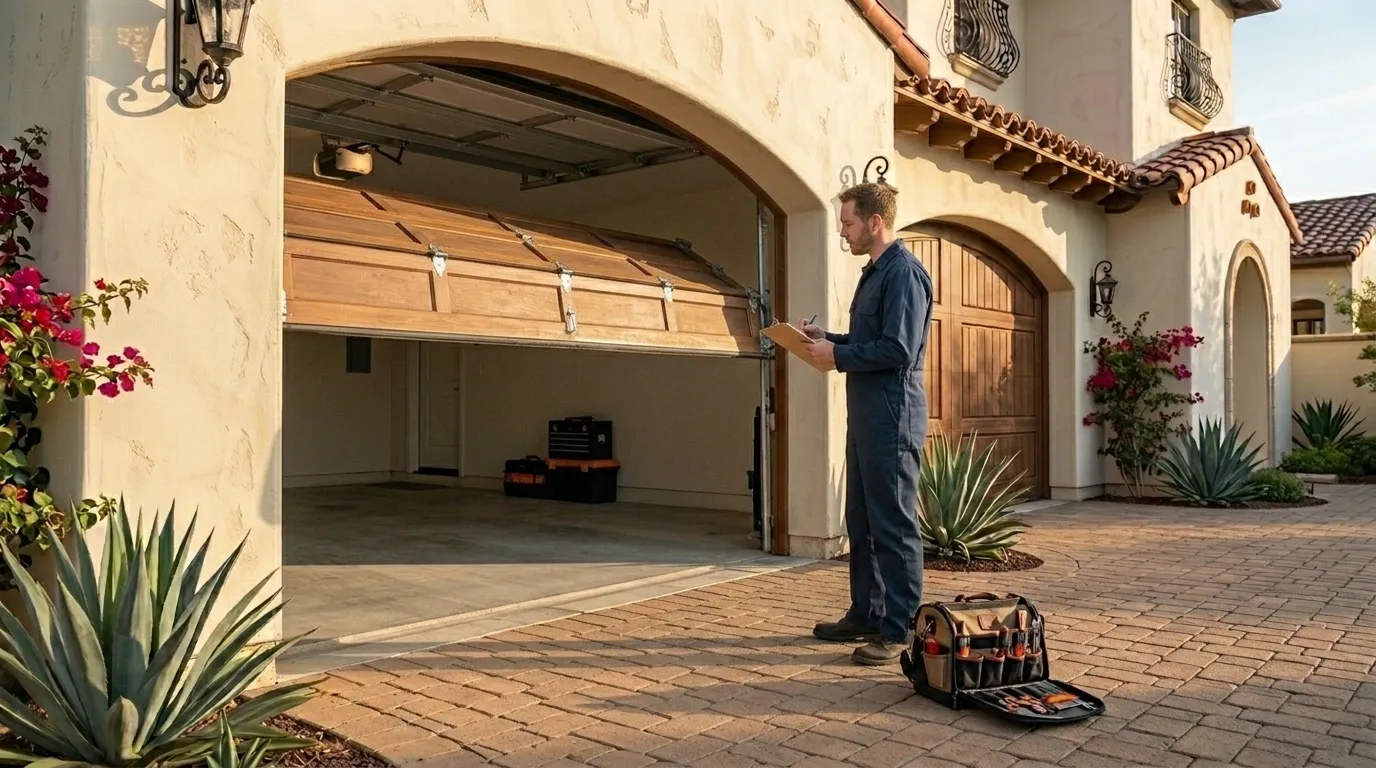
Garage Door Service
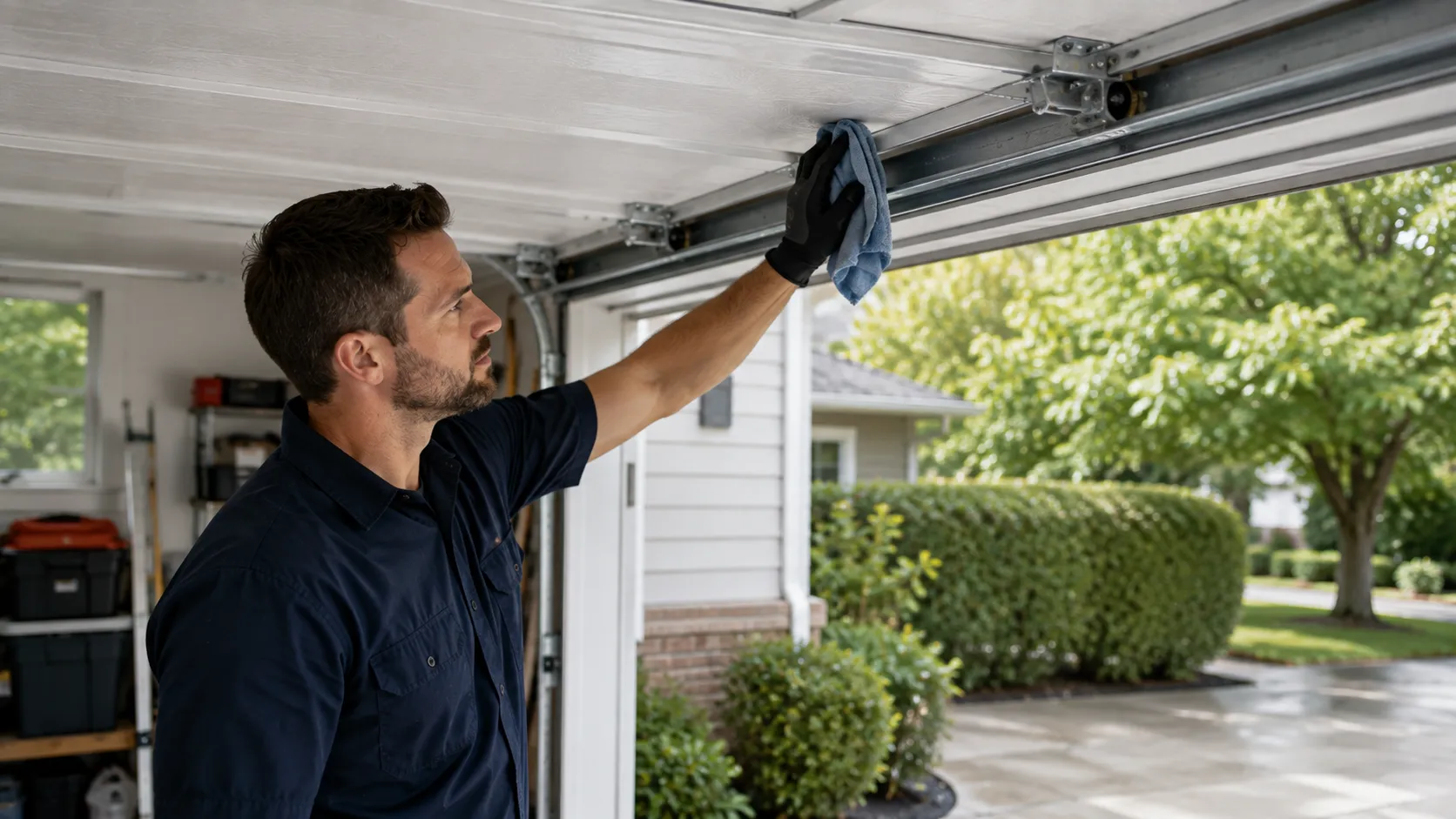
Tune-ups, lubrication, and safety checks that catch a small problem before it becomes a service call.
Learn more →Frequently Asked Questions
placeholder
placeholder
Have a Door That Needs a Second Opinion?
Call and describe what it is doing - we will tell you what it likely is.